How a Finnish sauna works
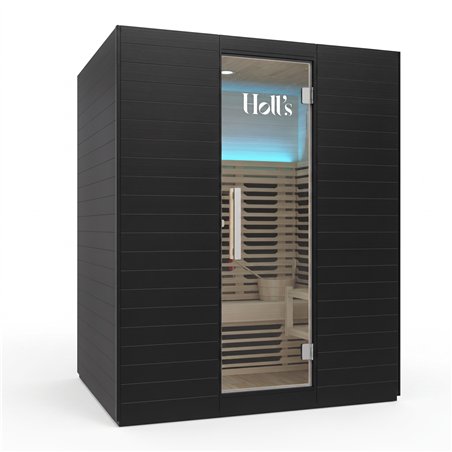
In a traditional sauna, heat is generated by convection: the sauna heater warms the air while the stones store heat. Pouring water over the stones releases a brief burst of steam, rapidly increasing the humidity and intensifying the perceived temperature. The humidity then drops again, restoring the dry environment that makes such high temperatures tolerable.
Traditional, infrared or outdoor sauna: which is right for you?
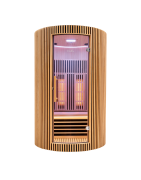
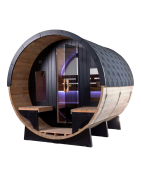
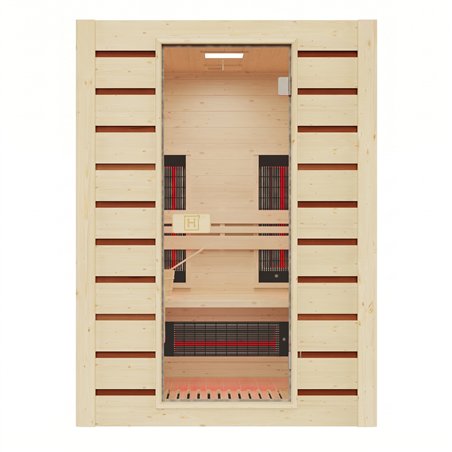
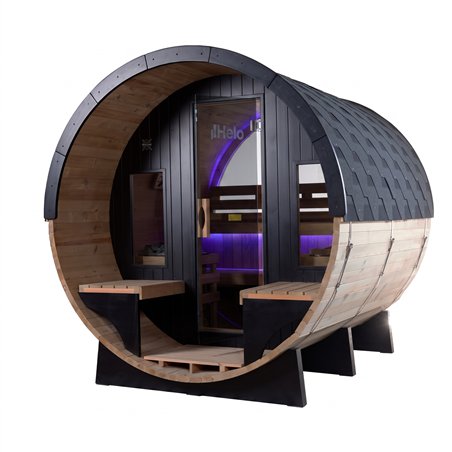
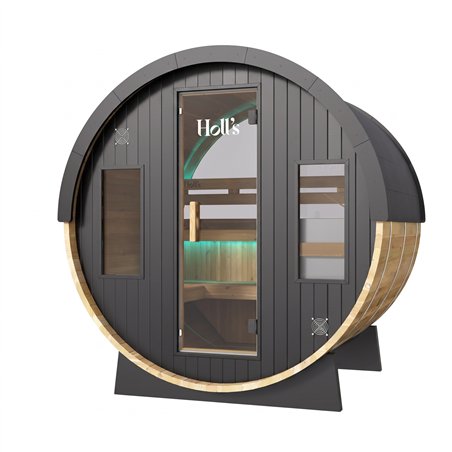
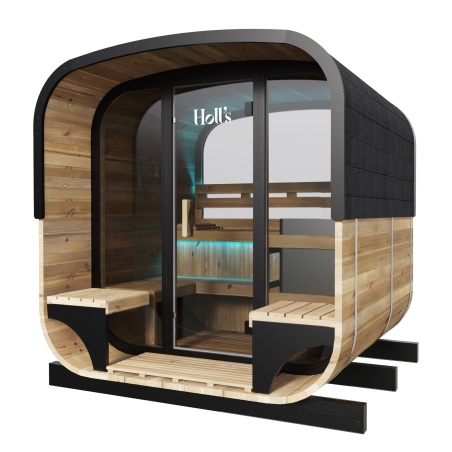
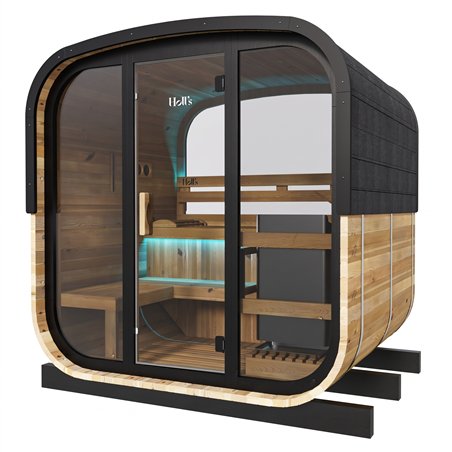
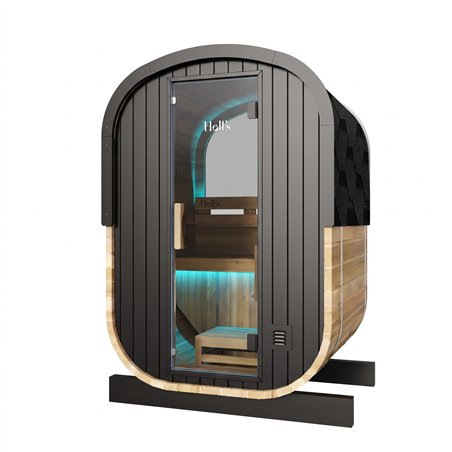
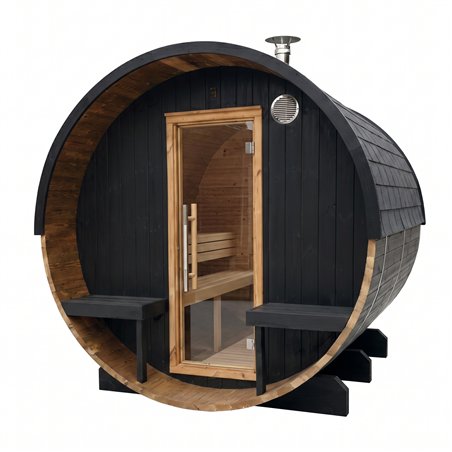
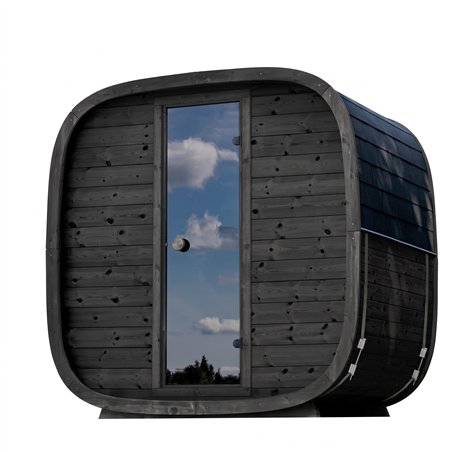
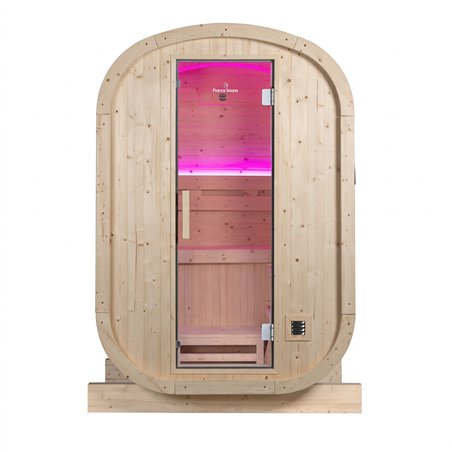
If you want the classic high-temperature sauna experience, a Finnish sauna is the ideal choice. If low energy consumption and gentler sessions are your priority, explore our infrared saunas. If you have a garden or terrace, outdoor saunas offer the same technology in weather-resistant sauna cabins. For facilities with sufficient space, combining both technologies is the most effective solution.
Frequently asked questions
What temperature does a Finnish sauna operate at?
Between 80 and 100 °C on the upper bench, with a relative humidity of 10–20%, which rises temporarily when water is poured over the sauna stones.
How long does a Finnish sauna take to heat up?
Between 30 and 45 minutes, depending on the power of the sauna heater and the volume of the cabin.
Electric or wood-burning sauna heater?
An electric sauna heater is the practical choice for indoor use: it is programmable, produces no smoke and does not require a chimney. A wood-burning sauna heater creates a more authentic atmosphere and is mainly used in outdoor sauna cabins with a flue.
What is a hybrid sauna?
A sauna cabin that combines a traditional sauna heater with infrared heaters, allowing you to choose between a classic high-temperature session and a gentle infrared sauna session using the same equipment.
How many sauna sessions are recommended?
Two or three rounds of 8–12 minutes are usual, with rest and cooling periods in between, while always remaining properly hydrated.