Red light and photobiomodulation for professional centres
Red light and photobiomodulation devices use LED light sources with selected wavelengths for facial, body or full-body sessions. Depending on the model, they may work only with red light or combine it with near-infrared light.
This category includes red light booths, photobiomodulation panels and facial LED masks for beauty centres, physiotherapy clinics, sports recovery centres, wellness clinics, gyms, hotels, spas and specialist biohacking spaces.
The variety of formats allows the technology to be adapted both to small centres that need a compact device and to facilities that want to create a complete photobiomodulation room. The choice should be made taking into account the coverage area, power, wavelengths, application distance and the intended purpose stated by the manufacturer.
What is red light photobiomodulation?
Photobiomodulation is a technology based on controlled exposure to specific light wavelengths. Professional devices usually use visible red light and near-infrared light, although specifications can vary considerably between models.
Red light is within the visible spectrum, while near-infrared light is not always visible to the naked eye. Some devices allow both bands to be activated together or independently to adapt the session to the protocol established by the centre.
Duration, intensity, distance and frequency of use must be adjusted according to the manufacturer’s instructions. Higher power does not necessarily mean that a device is more suitable, as light uniformity, covered surface area and control of the applied dose must also be assessed.
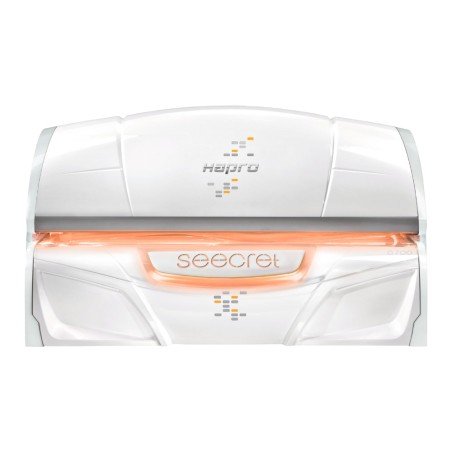
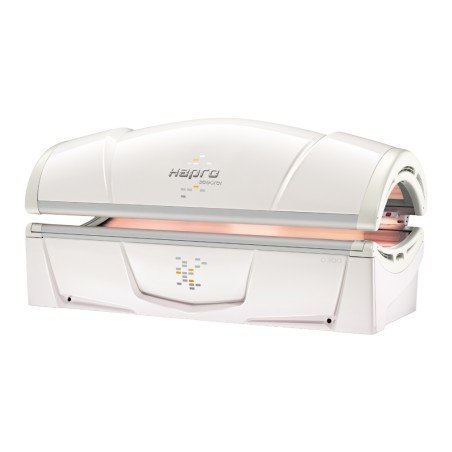
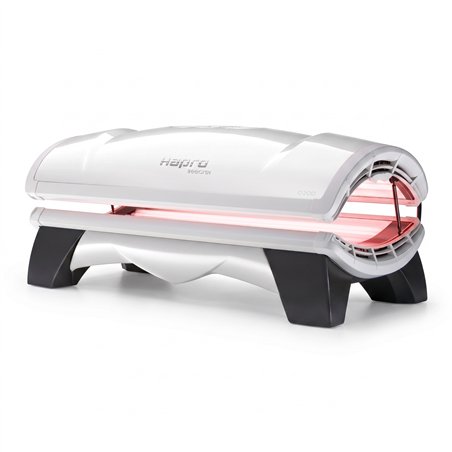
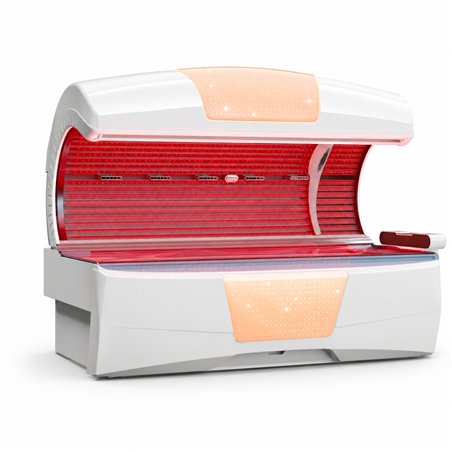
Full-body red light booths
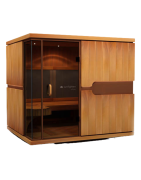
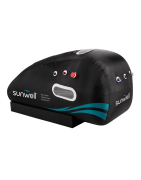
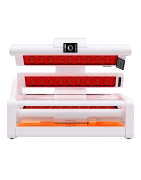
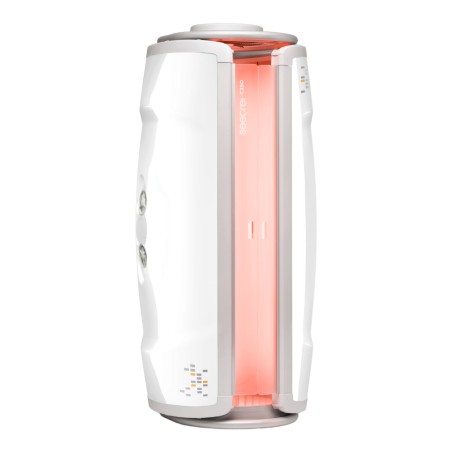
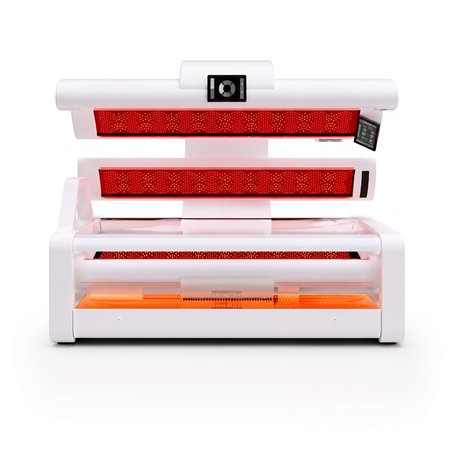
Red light booths are designed to provide wide or full-body coverage. They are available in vertical, horizontal or open-structure formats that surround the user with several LED modules.
They are a suitable option for centres that want to offer complete sessions in a dedicated room. Depending on the design, the user may remain standing, seated or lying down during the treatment.
Aspects to compare before purchasing a booth include:
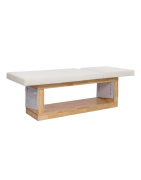
- Device format: vertical booth, horizontal massage table or open structure.
- Coverage area: module distribution and light reach over the body.
- Wavelengths: combination of red light and near-infrared light included in each model.
- Power and irradiance: intensity emitted at a specific distance.
- Uniformity: even distribution of light across the exposure area.
- Programming: timer, band selection and intensity adjustment.
- Ventilation: system designed to control the device temperature during operation.
- Installation: dimensions, electrical consumption, access points and space required around the booth.
Professional red light panels
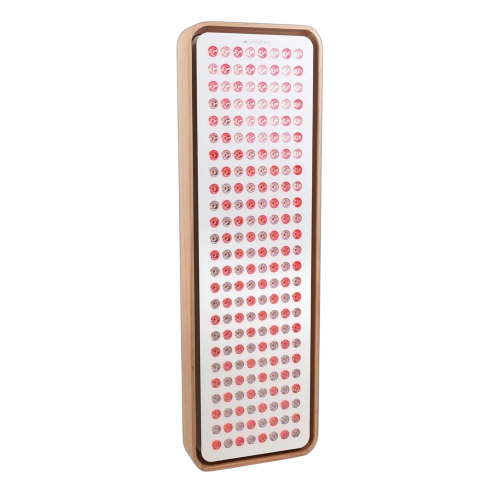
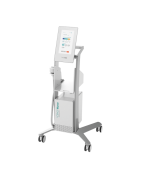
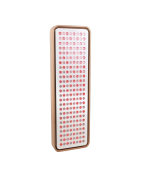
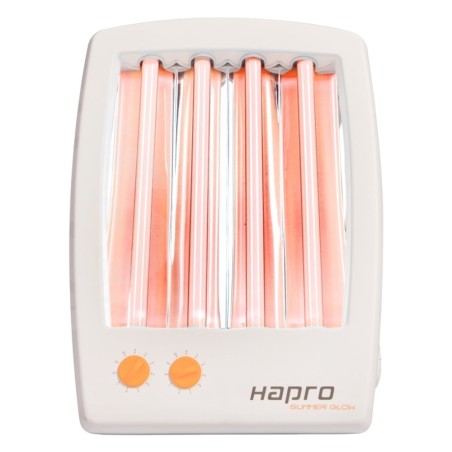
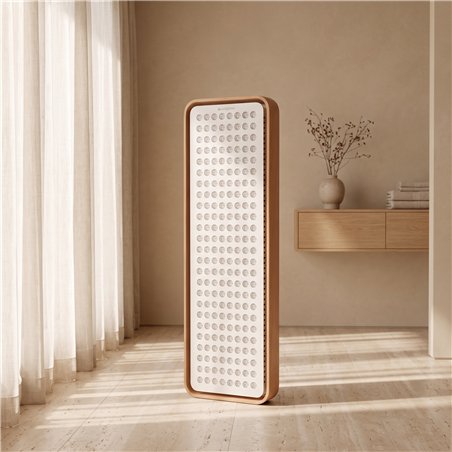
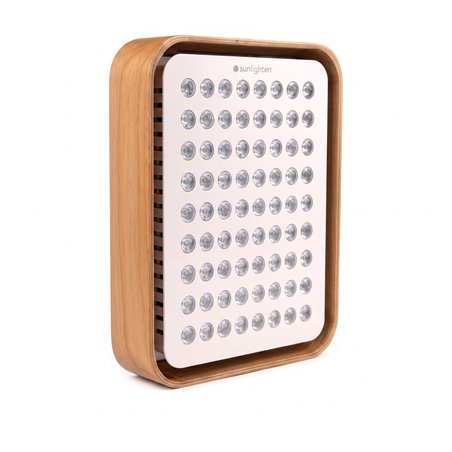
Red light panels offer a versatile solution for localised or body applications. They are available in different sizes, from compact units for the face and specific areas to modular systems capable of covering a large part of the body.
Depending on the support used, they can be wall-mounted, placed on a mobile base, suspended over a massage table or combined with each other to form a larger structure.
Professional panels are especially useful for centres that want to start with a progressive installation. A single module can be used for localised applications and later complemented with additional compatible panels.
Full-body panels
Large-format panels allow work over a wide body surface. They can be used individually or with structures that position several panels in front of the user, behind them or on both sides.
To create a full-body system, it is important to check that the installation allows the manufacturer’s recommended distance to be maintained and that the light distribution is uniform. It is also important to assess the stability of the support, the mobility of the complete system and the ease of adjusting height or tilt.
Red light LED masks for facial treatments
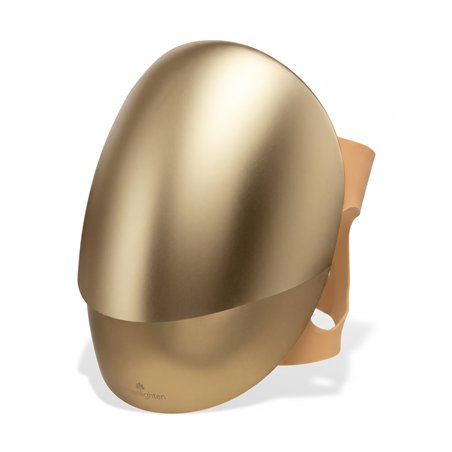
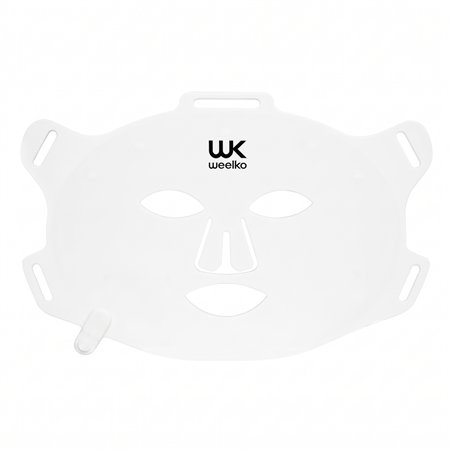
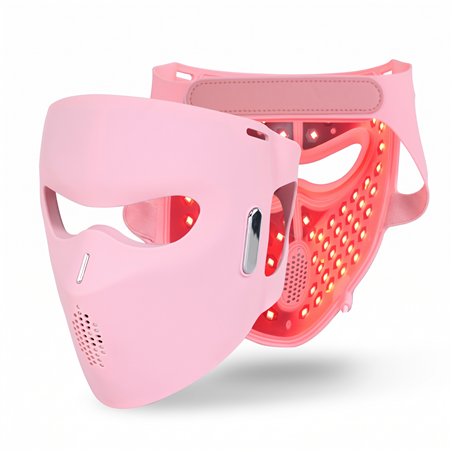
Facial LED masks allow red light to be incorporated into facial care protocols without occupying the space required by a booth or a large panel. They can be used as a standalone treatment or as a complement within a beauty session.
There are rigid masks, flexible masks, tabletop-supported models and designs intended to be placed directly on the face. Some models include several light colours and pre-set programmes, while others specialise in red light and near-infrared light.
When comparing LED masks, it is advisable to review:
- Facial coverage: distribution of diodes across the forehead, cheeks, nose and jawline.
- Wavelengths: type of light included and possibility of selecting programmes.
- Comfort: weight, fit, distance from the face and fastening system.
- Timer: automatic control of session duration.
- Eye protection: included accessories and specific recommendations for use.
- Hygiene: materials and surfaces that allow proper cleaning between users.
- Intended use: professional, personal or combined, according to the manufacturer’s documentation.
Red and infrared light wavelengths
Photobiomodulation devices do not necessarily use the same wavelengths. Each model may incorporate one or more bands selected by the manufacturer.
Devices may commonly include:
- Visible red light: used in facial, aesthetic and wellness applications.
- Near-infrared light: a non-visible band that can be combined with red light in body applications.
- Multi-band systems: devices that integrate several wavelengths within the same panel or booth.
- Independent control: possibility of activating or deactivating specific bands according to the protocol.
A device should not be chosen solely based on the number of wavelengths included. Real power, diode ratio, irradiance, uniformity and the recommended application distance must also be analysed.
Irradiance and device power
Irradiance indicates the amount of light power that reaches a given surface and is usually expressed in milliwatts per square centimetre. This figure may change depending on the distance between the device and the user.
To compare two devices correctly, the measurements must have been taken under similar conditions. A figure taken directly on the panel cannot be reliably compared with another obtained at a distance of several centimetres.
In addition to maximum irradiance, it is advisable to check whether the light is distributed evenly. High power concentrated in specific points may produce less regular coverage than a system designed to distribute emission across the entire surface.
How to choose a red light device
The choice will depend on the type of treatment to be offered and the space available in the centre. A mask may be sufficient for facial protocols, while a panel or booth will be more suitable for body applications.
Before purchasing, the following aspects should be assessed:
- Application area: face, localised areas, half body or full body.
- User type: beauty clients, athletes, gym users or wellness service clients.
- Workload: approximate number of sessions to be carried out daily.
- Coverage area: size of the illuminated surface in each session.
- Wavelengths: included bands and possibility of using them separately.
- Irradiance: power received at the recommended distance.
- Adjustment: intensity control, timer and available programmes.
- Cooling: fans and systems to prevent overheating.
- Installation: support, location, dimensions and electrical requirements.
- Documentation: manual, marking, manufacturer identification and declared purpose.
Red light devices for beauty centres
Beauty centres can incorporate LED masks, facial panels or collagen stimulation booths into their treatments. The choice will depend on the type of protocol, the time available per client and the surface area to be treated.
Masks allow facial sessions to be carried out while the user remains lying down. Panels offer greater flexibility and can be used on the face, neck, décolleté or other areas. Booths allow an independent full-body service to be created.
Red light for physiotherapy and sports recovery
In physiotherapy centres, gyms and recovery spaces, red light panels can be integrated into professional wellness and physical conditioning protocols. Models with adjustable supports allow emission to be directed towards specific areas or several modules to be used to extend coverage.
Application must be carried out in accordance with the manufacturer’s instructions, the recommended distance, session duration and possible contraindications. When the device is classified as a medical device, it must be used within its intended purpose and by qualified professionals where applicable.
How to create a photobiomodulation room
A photobiomodulation room can be configured with a complete booth, several modular panels or a combination of facial and body devices. The layout must allow comfortable access and maintain the necessary distance between the user and the light sources.
It is also advisable to consider:
- Privacy: independent or properly delimited space.
- Ventilation: adequate air circulation during sessions.
- Ambient lighting: control of external light to create a comfortable environment.
- Supervision: location that allows staff to monitor the operation of the device.
- Cleaning: accessible surfaces and materials compatible with the recommended products.
- Eye protection: availability of accessories when required.
- Electrical installation: sufficient power and connections suitable for the system’s consumption.
Booth, panel or mask: which format should you choose?
Each format responds to a different type of service:
- Red light booth: suitable for full-body sessions and centres with a dedicated room.
- Large-format panel: allows wide areas to be treated with a more flexible installation.
- Compact panel: recommended for localised treatments and centres with limited space.
- Modular system: allows the installation to be expanded by adding new compatible panels.
- LED mask: mainly aimed at facial protocols and treatments in a beauty treatment room.
For a centre with several types of clients, combining a facial mask with a body panel may be an interesting option. Businesses that want to specialise in photobiomodulation may choose a booth or a complete panel structure.
Safety and responsible use of red light
Devices must be used according to the instruction manual and the intended purpose stated by the manufacturer. Before starting a session, contraindications, the user’s sensitivity to light and the possible use of photosensitising medication must be reviewed.
Guaranteed results should not be promised, nor should medical properties be attributed to devices that have not been classified for that purpose. Commercial communication must clearly differentiate between devices intended for wellness, aesthetic equipment and medical devices.
It must also be checked whether the manufacturer recommends eye protection, especially in high-intensity devices, panels close to the face or prolonged sessions.
Buy red light booths, panels and masks
At Sunmarket you will find red light booths, photobiomodulation panels and professional LED masks to expand your centre’s services. We offer solutions for facial, body and full-body applications.
We can advise you on the differences between the various formats, wavelengths, power levels, supports and coverage areas. Before purchasing, we help you review the device dimensions, the required installation and its suitability for the type of service you want to offer.
Frequently asked questions about red light and photobiomodulation
What is the difference between red light and near-infrared light?
Red light belongs to the visible spectrum, while near-infrared light cannot always be perceived with the naked eye. Many professional devices combine both bands, although the exact wavelengths depend on each model.
Which is better, a booth or a red light panel?
The booth is mainly designed for full-body sessions and requires a dedicated space. The panel offers greater flexibility, as it can be used for localised applications or combined with other modules to extend the working surface.
What is a facial LED mask used for?
LED masks are incorporated into professional facial care protocols through controlled exposure sessions. The available functions, light colours and intended purpose vary depending on the device.
Do all panels have the same wavelengths?
No. Each manufacturer selects different red and infrared light bands. The diode ratio, power, irradiance and the possibility of controlling each wavelength separately may also vary.
What panel size do I need?
For facial or localised applications, a compact panel may be sufficient. For large body areas or full-body sessions, a larger panel or a structure made up of several modules will be required.
Is eye protection necessary?
It depends on the intensity, proximity to the face and the manufacturer’s specific instructions. When eye protection is recommended, it must be used throughout the entire session.
Does red light use ultraviolet radiation?
Devices designed exclusively with red light and near-infrared LEDs do not use the ultraviolet wavelengths typical of tanning equipment. The technical specifications of the model should always be reviewed to confirm its composition.
How long does a red light session last?
The duration depends on the irradiance, distance, application area and protocol indicated by the manufacturer. A universal time should not be established for all devices.
Can masks and panels be combined?
Yes, a centre can use masks for facial treatments and panels for body applications. Each device must be used independently according to its instructions and usage parameters.
Are red light devices medical devices?
Not all of them. Classification will depend on the intended purpose, documentation and manufacturer’s claims. Some are marketed as wellness or aesthetic equipment, while others may be registered as medical devices.