-20%


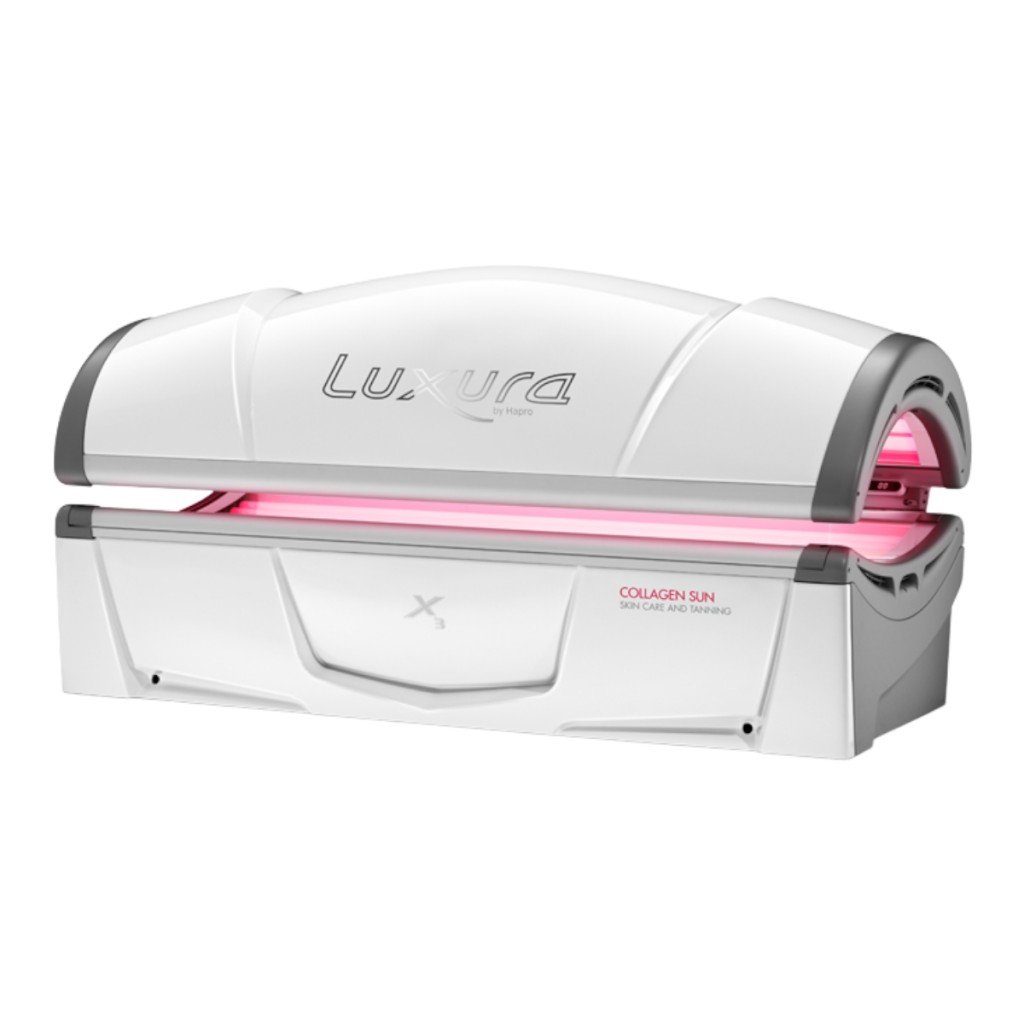
Luxura X3 Collagen Sun 30-1 SLi
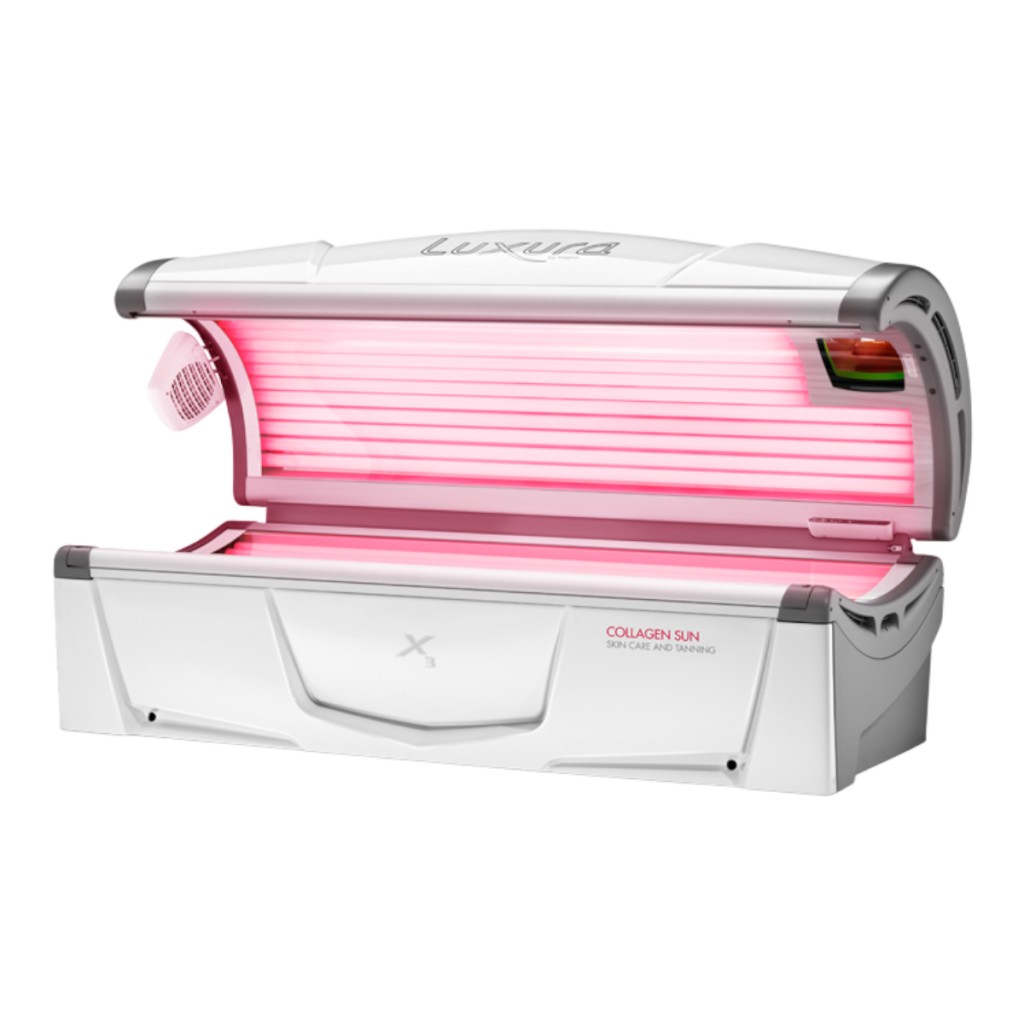
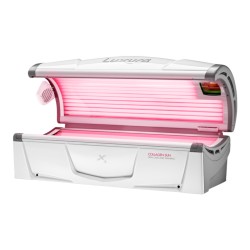
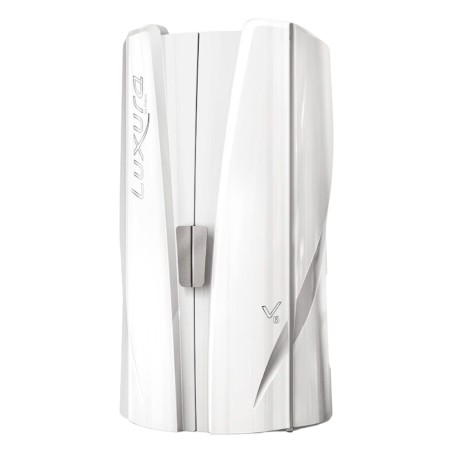
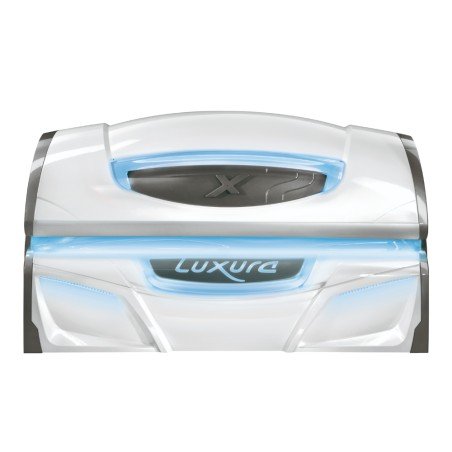
The Luxura X3 Collagen&Sun 30-1 SLi by Hapro is the ultimate at-home wellness device. It combines skincare and tanning with advanced red and ultraviolet light technology. Its Collatan lamps and the Highbrid filter of the facial tanning unit stimulate the production of collagen and elastin, enhancing skin elasticity and firmness. With a spacious and comfortable design, it provides a luxurious experience with easy maintenance. Ideal for home use or spa environments, it guarantees a perfect tan and soft, nourished skin. Available in Pearl White.
Reduced price:
€10,347.92
Save 20%
Tax included
In stock
- Customer support via WhatsApp
- 14-day returns and fast shipping.
- Certified by Trust Ecommerce Europe and excellent ratings on various platforms.
- Secure payments with SSL Redsys BBVA, PayPal, seQura, and Klarna.
- Sunmarket Wellness, over 20 years of experience in the Wellness sector.
Flexible payment with Klarna.
Luxura X3 Collagen&Sun 30-1 SLi – Hybrid tanning bed with red light
Professional
The Luxura X3 Collagen Sun combines skin care and tanning in one professional tanning bed. Its combination of red light and UV delivers an even golden tan while helping the skin appear firmer and more radiant. Ideal for beauty salons, gyms and users who want salon-quality results at home, with the quality of the Luxura range.
Main features
- 2-in-1: skin treatment with red light + UV tanning in every session.
- Collatan XL lamps for full head-to-toe coverage and an even tone.
- 300W facial lamp with Highbrid filter for extra light and stimulation on the face and décolletage.
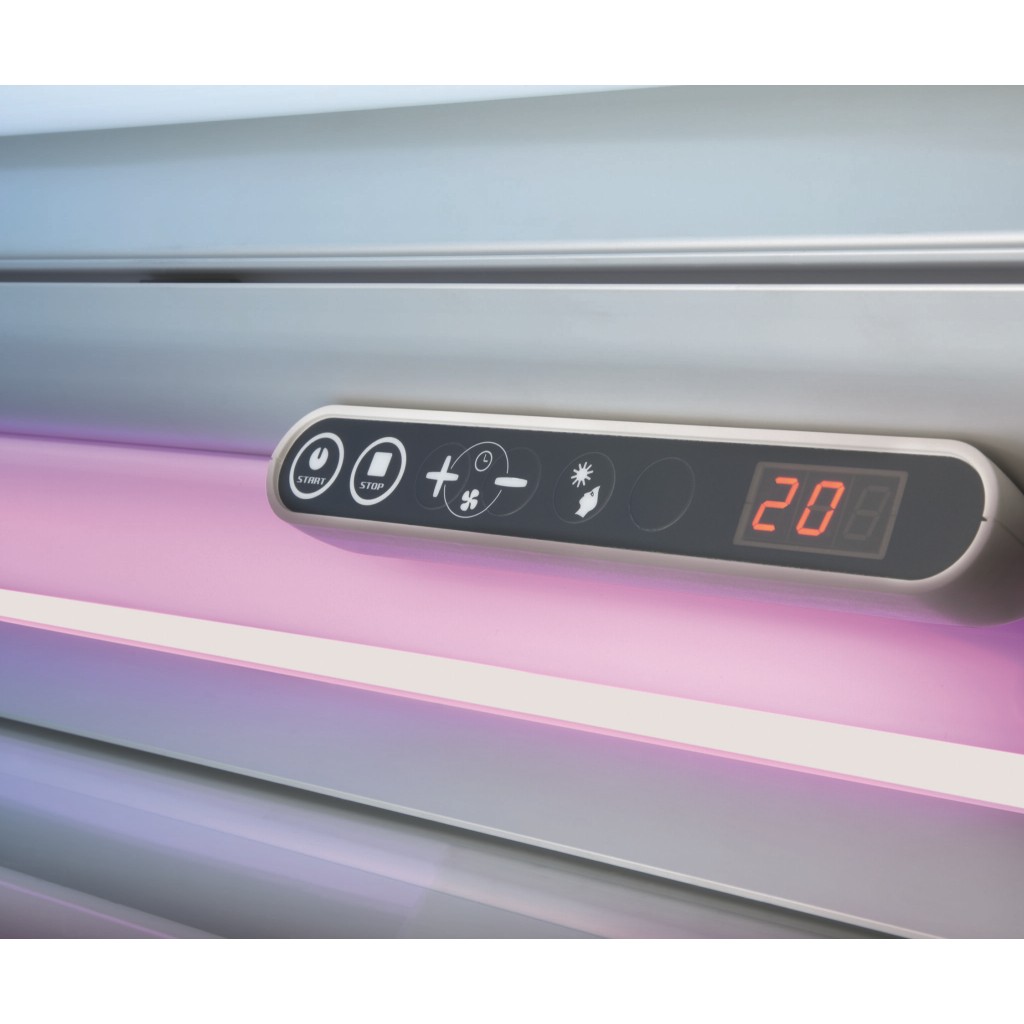
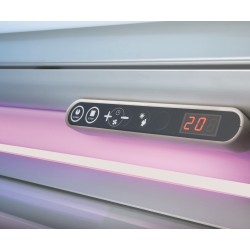
- Intuitive control panel with timer and direct ventilation settings.
- Body cooling system that maintains a pleasant temperature throughout the exposure time.
- Smooth opening, spacious interior and easy maintenance thanks to the click profile.
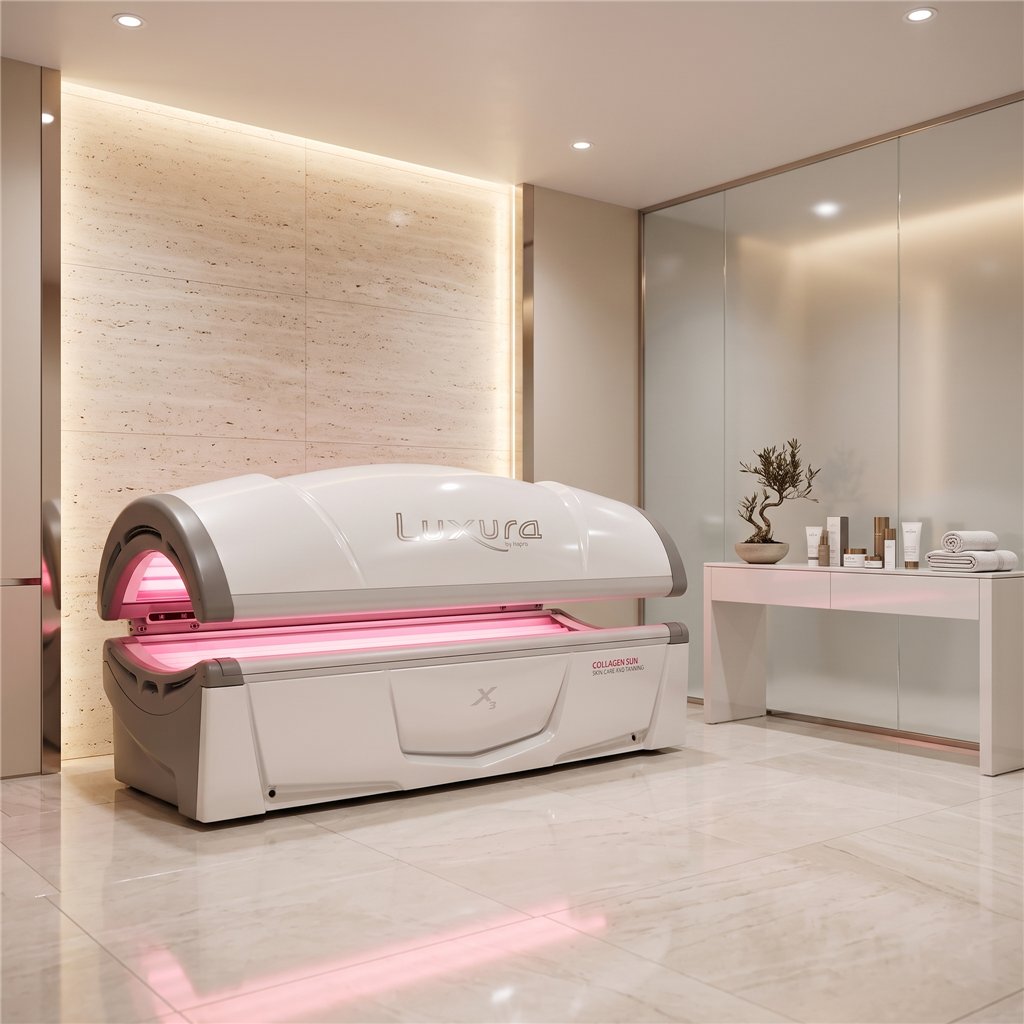
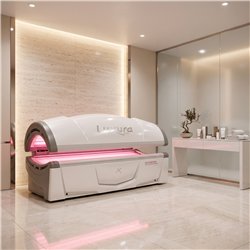
- Pearl White finish that enhances the appearance of any tanning room.
Detailed product description
Performance and technology
This hybrid tanning bed combines Collatan tubes that emit red light with controlled UV radiation. Red light supports natural skin processes related to collagen, providing a smoother and more supple appearance, while the UV spectrum achieves a fast, even tan with a very natural tone. The 300W facial lamp with Highbrid filter intensifies the result in the most visible areas for a luminous, balanced finish.
User comfort
The XL lamps ensure full coverage regardless of the client’s height. The side panel allows time and ventilation to be adjusted in seconds, with a clear timer display. The cooling system reduces the sensation of heat and makes the session more comfortable, something your clients will appreciate from the first use.
Maintenance and durability
Access to tubes and filters via the click profile simplifies cleaning and replacement of consumables, minimising downtime. Its solid construction is designed for continuous use, offering reliable equipment for daily professional work or intensive home use.
Technical specifications
- Model X3 Collagen Sun 30-1 SLi
- Upper tubes 10 x 120W XL Collatan + 6 x 100W Collatan
- Lower tubes 14 x 120W XL Collatan
- Facial 1 x 300W with Highbrid filter
- Connection 230V / 1N ~ / PE / 50Hz
- Power 3.4 kW
- Protection 1 x 16A
- Weight 220 kg
- Colour Pearl White
Why buy from Sunmarket?
- Over 20 years’ experience.
- Official distributors of leading brands.
- Fast and simple financing.
- Specialised after-sales service and technical advice.
The rays from UV tanning equipment can affect the skin and eyes. These effects depend on the nature and intensity of the rays, as well as each person’s skin sensitivity.
People with skin phototype 1 (red or very light blond hair, freckles or absence of pigmentation, white skin that has never tanned, and blue eyes) must not use artificial tanning equipment or expose themselves to the sun without protection.
The tanning bed must be cleaned with a special alcohol-free disinfectant for tanning beds after each use.
SPF protection may be applied to specific areas (marks, scars), but not over the entire exposed surface.
The product is delivered kerbside. The price does not include assembly or installation. If you require a porter service to move it to an upper floor or inside your commercial premises, please let us know so we can prepare a specific quotation.
Professional tanning beds must be installed by specialised technical personnel. Contact us for a personalised transport and installation quotation.
Frequently Asked Questions (FAQ)
Can I use tanning accelerators with my home tanning bed?
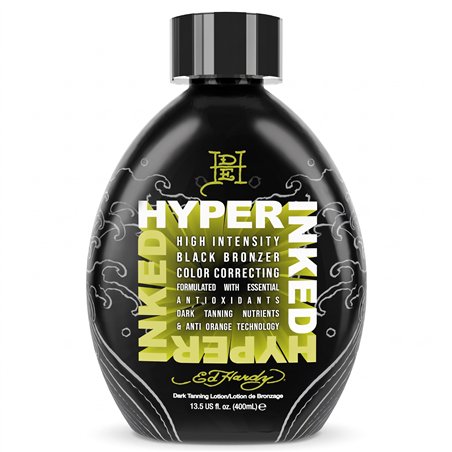
Yes, tanning accelerators are designed to enhance results in tanning beds. These products optimize UV ray absorption, but make sure to use products specifically developed for tanning beds and not sunscreen all over your skin, as this would block the UV rays.
Should I use sunscreen during tanning bed sessions?
It is not recommended to use sunscreen all over the skin during tanning bed sessions, as its function is to block UV rays, which would negate the tanning effect. However, you can apply sunscreen on specific areas that need more protection, such as scars, spots, or sensitive areas.
How often should I use my home tanning bed?
It is recommended to use the tanning bed 2 to 3 times a week, allowing for rest time between sessions to avoid overexposure to UV rays.
Is it necessary to wear protective glasses during tanning bed use?
Yes, it is always necessary to wear protective glasses during tanning bed sessions to avoid eye damage from UV radiation exposure.
Should I remove contact lenses before a tanning bed session?
Yes, it is important to remove contact lenses before entering the UV cabin to avoid irritation or potential damage to the eyes.
Is it safe to use a tanning bed?
One advantage of indoor UVA tanning beds is that they are not dependent on weather conditions or external factors, such as the ozone layer or fluctuations in solar radiation, allowing for a controlled and consistent tanning experience.
Should I use specific cosmetic products during tanning?
It is recommended to use specialized cosmetic products that help hydrate the skin during tanning sessions. These products are designed to counteract moisture loss and improve the appearance of the skin, helping the tan last longer.
How long should I wait between tanning sessions?
It is recommended to wait at least 48 hours between each tanning session. It is also important to avoid using the tanning bed and sun exposure on the same day to prevent overexposure to UV rays.
What should I do if I am allergic to the sun?
If a person is allergic to natural sunlight, they should not expose themselves to UVA rays, as the radiation is similar and can cause an adverse skin reaction.
Why do I have white spots on my skin after tanning?
White spots on areas like the shoulder blades or buttocks during tanning can occur due to pressure in these areas while lying down, reducing blood flow and distribution of the tan. Switching between horizontal and vertical tanning beds can help minimize this effect.
What cosmetic products or substances are prohibited before using the tanning bed?
Avoid using perfumes, colognes, creams with citrus, essential oils, and products with retinol or exfoliating acids at least 10 days before the session. Additionally, do not use products with lemon, orange, bergamot, or certain photosensitizing medications like antibiotics (tetracyclines), NSAIDs (ibuprofen), or diuretics. Consult your doctor if you have any questions about any medication you are taking.
Can I use sunscreen on specific areas during tanning sessions?
While it is not necessary to apply sunscreen all over the skin during tanning sessions, it is recommended to protect specific areas like fresh scars, spots, or sensitive areas with sunscreen to avoid damage from UV ray exposure.
What types of home tanning beds are there and which one is right for me?
There are several types of home tanning beds, including horizontal and vertical models. Horizontal tanning beds are suitable for those who prefer to tan lying down, while vertical beds are ideal for those who prefer to stand or for smaller spaces. The choice depends on the space available in your home and your personal tanning preferences.
Warning about the use of tanning beds
The rays from UV tanning devices can affect the skin and eyes. These effects depend on the nature and intensity of the rays, as well as the sensitivity of individuals' skin.
What is skin phototype and how can I determine mine?
Skin phototype is a classification that describes how your skin reacts to sun exposure. It is based on several factors such as skin color, hair color, eye color, and the tendency to burn or tan. Knowing your phototype can help you choose the safest and most effective tanning practices.
- Phototype I: Very light skin, usually with freckles, red or very light blonde hair, light eyes. Burns easily and rarely tans.
- Phototype II: Light skin, blonde hair, light eyes. Usually burns but can tan slightly.
- Phototype III: Medium skin, brown hair, darker eyes. Sometimes burns and tans gradually.
- Phototype IV: Olive skin, dark hair, dark eyes. Rarely burns and tans well.
- Phototype V: Dark skin, dark hair and eyes. Rarely burns and tans easily.
- Phototype VI: Very dark or black skin, dark hair and eyes. Never burns and tans very easily.
To determine your phototype, consider your most common reaction to prolonged sun exposure without protection. Consult a dermatologist if you are unsure or have a history of skin problems related to the sun.
Technical data sheet
| Product quality | Professional |
|---|---|
| Business relationship | Official seller |
| Quality Certificates | CE |
| Climate control air | Optional |
| Delivery time: | Upon request, consult delivery time |
| Product subtype | Professional solarium |
| Manufacturer | Hapro |
| Warranty | 3 years |
| Nationality manufacturer | European Union - Netherlands |
| Brand | Hapro |
| Product type | home tanning bed, UV tanning machine, tanning bed, portable solarium, facial solarium, buy solarium |
| Transport and assembly | Not included |
| Energy efficiency class | G |
| Shipping label | Bulky |
Downloads
You might be interested
-12%
Tanning
Reduced price:€21.65
-20%
Tanning
Reduced price:€10,667.36
-20%
Tanning
Reduced price:€12,380.72
-12%
Tanning
Reduced price:€26.22
Frequently Asked Questions (FAQ)
Can I use tanning accelerators with my home tanning bed?
Yes, tanning accelerators are designed to enhance results in tanning beds. These products optimize UV ray absorption, but make sure to use products specifically developed for tanning beds and not sunscreen all over your skin, as this would block the UV rays.
Should I use sunscreen during tanning bed sessions?
It is not recommended to use sunscreen all over the skin during tanning bed sessions, as its function is to block UV rays, which would negate the tanning effect. However, you can apply sunscreen on specific areas that need more protection, such as scars, spots, or sensitive areas.
How often should I use my home tanning bed?
It is recommended to use the tanning bed 2 to 3 times a week, allowing for rest time between sessions to avoid overexposure to UV rays.
Is it necessary to wear protective glasses during tanning bed use?
Yes, it is always necessary to wear protective glasses during tanning bed sessions to avoid eye damage from UV radiation exposure.
Should I remove contact lenses before a tanning bed session?
Yes, it is important to remove contact lenses before entering the UV cabin to avoid irritation or potential damage to the eyes.
Is it safe to use a tanning bed?
One advantage of indoor UVA tanning beds is that they are not dependent on weather conditions or external factors, such as the ozone layer or fluctuations in solar radiation, allowing for a controlled and consistent tanning experience.
Should I use specific cosmetic products during tanning?
It is recommended to use specialized cosmetic products that help hydrate the skin during tanning sessions. These products are designed to counteract moisture loss and improve the appearance of the skin, helping the tan last longer.
How long should I wait between tanning sessions?
It is recommended to wait at least 48 hours between each tanning session. It is also important to avoid using the tanning bed and sun exposure on the same day to prevent overexposure to UV rays.
What should I do if I am allergic to the sun?
If a person is allergic to natural sunlight, they should not expose themselves to UVA rays, as the radiation is similar and can cause an adverse skin reaction.
Why do I have white spots on my skin after tanning?
White spots on areas like the shoulder blades or buttocks during tanning can occur due to pressure in these areas while lying down, reducing blood flow and distribution of the tan. Switching between horizontal and vertical tanning beds can help minimize this effect.
What cosmetic products or substances are prohibited before using the tanning bed?
Avoid using perfumes, colognes, creams with citrus, essential oils, and products with retinol or exfoliating acids at least 10 days before the session. Additionally, do not use products with lemon, orange, bergamot, or certain photosensitizing medications like antibiotics (tetracyclines), NSAIDs (ibuprofen), or diuretics. Consult your doctor if you have any questions about any medication you are taking.
Can I use sunscreen on specific areas during tanning sessions?
While it is not necessary to apply sunscreen all over the skin during tanning sessions, it is recommended to protect specific areas like fresh scars, spots, or sensitive areas with sunscreen to avoid damage from UV ray exposure.
What types of home tanning beds are there and which one is right for me?
There are several types of home tanning beds, including horizontal and vertical models. Horizontal tanning beds are suitable for those who prefer to tan lying down, while vertical beds are ideal for those who prefer to stand or for smaller spaces. The choice depends on the space available in your home and your personal tanning preferences.
Warning about the use of tanning beds
The rays from UV tanning devices can affect the skin and eyes. These effects depend on the nature and intensity of the rays, as well as the sensitivity of individuals' skin.
What is skin phototype and how can I determine mine?
Skin phototype is a classification that describes how your skin reacts to sun exposure. It is based on several factors such as skin color, hair color, eye color, and the tendency to burn or tan. Knowing your phototype can help you choose the safest and most effective tanning practices.
- Phototype I: Very light skin, usually with freckles, red or very light blonde hair, light eyes. Burns easily and rarely tans.
- Phototype II: Light skin, blonde hair, light eyes. Usually burns but can tan slightly.
- Phototype III: Medium skin, brown hair, darker eyes. Sometimes burns and tans gradually.
- Phototype IV: Olive skin, dark hair, dark eyes. Rarely burns and tans well.
- Phototype V: Dark skin, dark hair and eyes. Rarely burns and tans easily.
- Phototype VI: Very dark or black skin, dark hair and eyes. Never burns and tans very easily.
To determine your phototype, consider your most common reaction to prolonged sun exposure without protection. Consult a dermatologist if you are unsure or have a history of skin problems related to the sun.