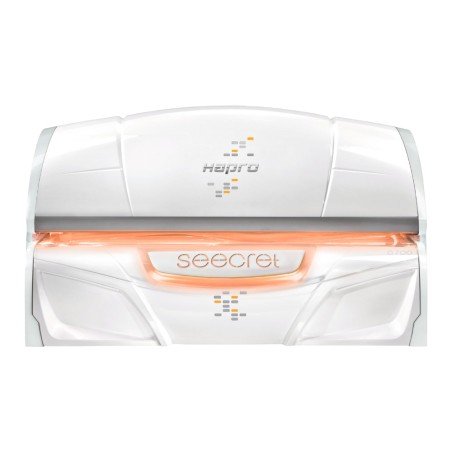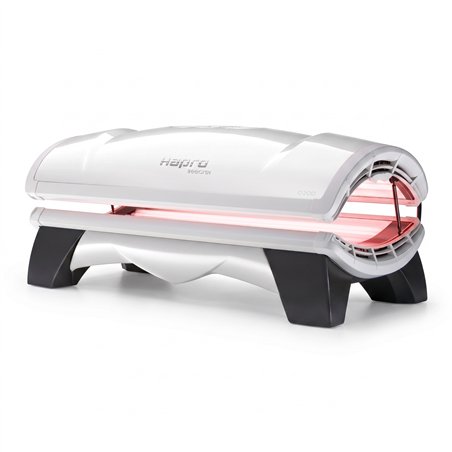
Seecret: your skin repairs itself — the light just gives the signal
The specifically tuned light spectrum of Seecret collagen lamps stimulates the skin's own production of collagen and elastin. The result is firmer, more elastic and visibly renewed skin, without a single trace of ultraviolet radiation.
- No UVA / UVB rays
- Penetrates up to 10 mm
- 600–760 nm spectrum
- 20-minute sessions
How your skin is built (and why it ages)
Skin is organised in layers. The outermost one, the epidermis, acts as a protective barrier. Directly beneath it lies the dermis, the layer that gives skin its firmness: a dense connective tissue made of collagen and elastin fibres that keep the skin taut and supple.
Those fibres are produced by specialised cells called fibroblasts, in a continuous process the skin regulates on its own until roughly the age of 25. From then on cell activity slows down, fewer new fibres are made and the skin loses elasticity: fine lines and wrinkles appear.
Collagen light passes through the epidermis and reaches the dermis, where the fibroblasts (dots) produce collagen and elastin.
What collagen light actually is
Around 45% of sunlight is visible light — the part we perceive with the naked eye. The rest consists of components we largely cannot see: ultraviolet (UV) and infrared (IR). Several scientific studies show that visible light triggers specific reactions in the skin; infrared, for instance, is known to penetrate deeply and improve microcirculation.
Collagen light sits inside the visible spectrum, in the yellow, orange and red band: roughly 600 to 760 nm, right at the edge of infrared. That precise window is what the collagen lamps in Seecret devices reproduce.
The Seecret effect, step by step
Scientists have observed that exposing the skin to yellow, orange or red light increases collagen production. The sequence is straightforward, and it happens inside the dermis itself.
The light reaches the dermis
The beam penetrates up to 10 mm into the skin — the depth at which fibroblasts work, below the protective barrier of the epidermis.
Fibroblasts are activated
Under that specific light, fibroblasts grow and divide. The cell responsible for building the fibres gets back to work.
Collagen and elastin regenerate
Synthesis of both proteins increases, and oxygen supply and hydration improve. The skin regains elasticity, colour and density.
Seecret emits no ultraviolet light
Collagen lamps contain no UV, so they produce neither a tan nor the skin stress associated with ultraviolet radiation. This is a stimulation treatment, not a pigmentation one.
The expert explains
Prof. dr. Stan Pavel, associate professor of Dermatology and leading researcher at the Department of Dermatology of Leiden University Medical Center (LUMC), explains in this video how skin ages and what revitalising effect collagen light has on it.
What you notice, and when
From the very first session
- Skin feels softer and more supple to the touch
- Hydration improves and excess oiliness is reduced
- Pores look tighter and the overall appearance improves
Over the medium and long term
- Collagen and elastin production is stimulated in a sustained way
- Fine lines and wrinkles are reduced and the skin becomes firmer
- Skin tone evens out: pigmentation spots fade
- Cell repair speeds up and the risk of scarring drops
- The anti-inflammatory effect of pure red light helps control acne
How a treatment is built up
Like every safe and painless skin stimulation method, a single session will not transform the skin. Ageing is a process that takes years and cannot be reversed in 20 minutes: a build-up is needed. These are the recommended guidelines.
A 10 to 12 week course
One continuous period, without long interruptions, so the stimulus accumulates.
2 or 3 sessions a week
Twenty minutes each. This is the frequency that best sustains fibroblast activity.
48 hours of rest
Between one session and the next, giving the skin time to complete its regeneration cycle.
Fortnightly maintenance
Once the course is over, one session every two weeks preserves the result achieved.
After about one month the results start to be measurable; after about three months, visible. This varies from person to person and depends heavily on the starting condition of the skin. Beyond those three months, skin has usually reached a level that allows the frequency to be reduced and maintenance to take over.
Frequently asked questions
How does skin ageing occur?
What is collagen?
What is elastin?
What are fibroblasts?
How long does a session last?
Does Seecret tan the skin?
Scientific references
Studies supporting the effect of visible red light on fibroblasts and collagen synthesis.
- Zhang Y, Song S, Fong CC, Tsang CH, Yang Z, Yang M. cDNA microarray analysis of gene expression profiles in human fibroblast cells irradiated with red light. J Invest Dermatol. 2003;120:849-857.
- Karu TI, Pyatibrat LV, Kolyakov SF, Afanasyeva NI. Absorption measurements of a cell monolayer relevant to phototherapy: reduction of cytochrome c oxidase under near IR radiation. J Photochem Photobiol B. 2005;81:98-106.
- Lubart R, Friedmann H, Lavi R, Longo L, Jacobi J, Baruchin O, Baruchin AM. A reasonable mechanism for visible light-induced skin rejuvenation. Lasers Med Sci. 2007;22:1-3.
- Lubart R, Lavi R, Friedmann H, Rochkind S. Photochemistry and photobiology of light absorption by living cells. Photomed Laser Surg. 2006;24:179-185.
- Gao X, Xing D. Molecular mechanisms of cell proliferation induced by low power laser irradiation. J Biomed Sci. 2009;16:1-16.
Tell us what you need. We advise you with no commitment on the device, budget, financing and installation. Supporting beauty and wellness professionals since 2002.
Informational content about collagen light technology. It does not replace advice from a healthcare professional, nor does it constitute a promise of individual results, which depend on skin type, age and consistency with the protocol. Video courtesy of VDL Hapro; subtitles are generated automatically on YouTube and their availability depends on the platform.
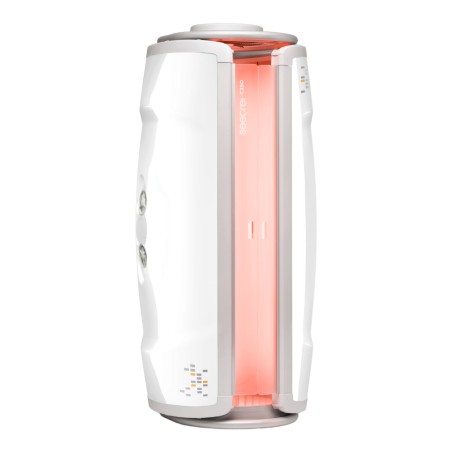
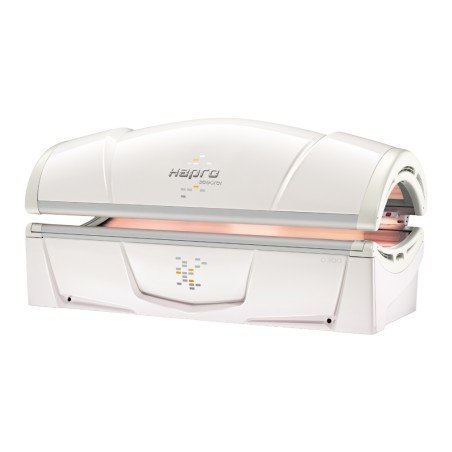
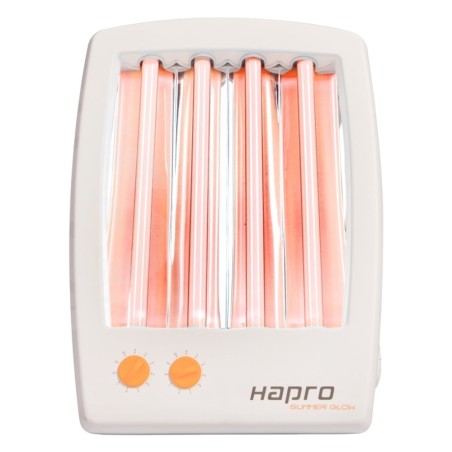
Available Seecret devices