-20%
Hapro Topaz 10/1 Solarium home

Hapro Topaz 10/1 Solarium home

(5)
Reference 17432 Brand Hapro Category Solariums body
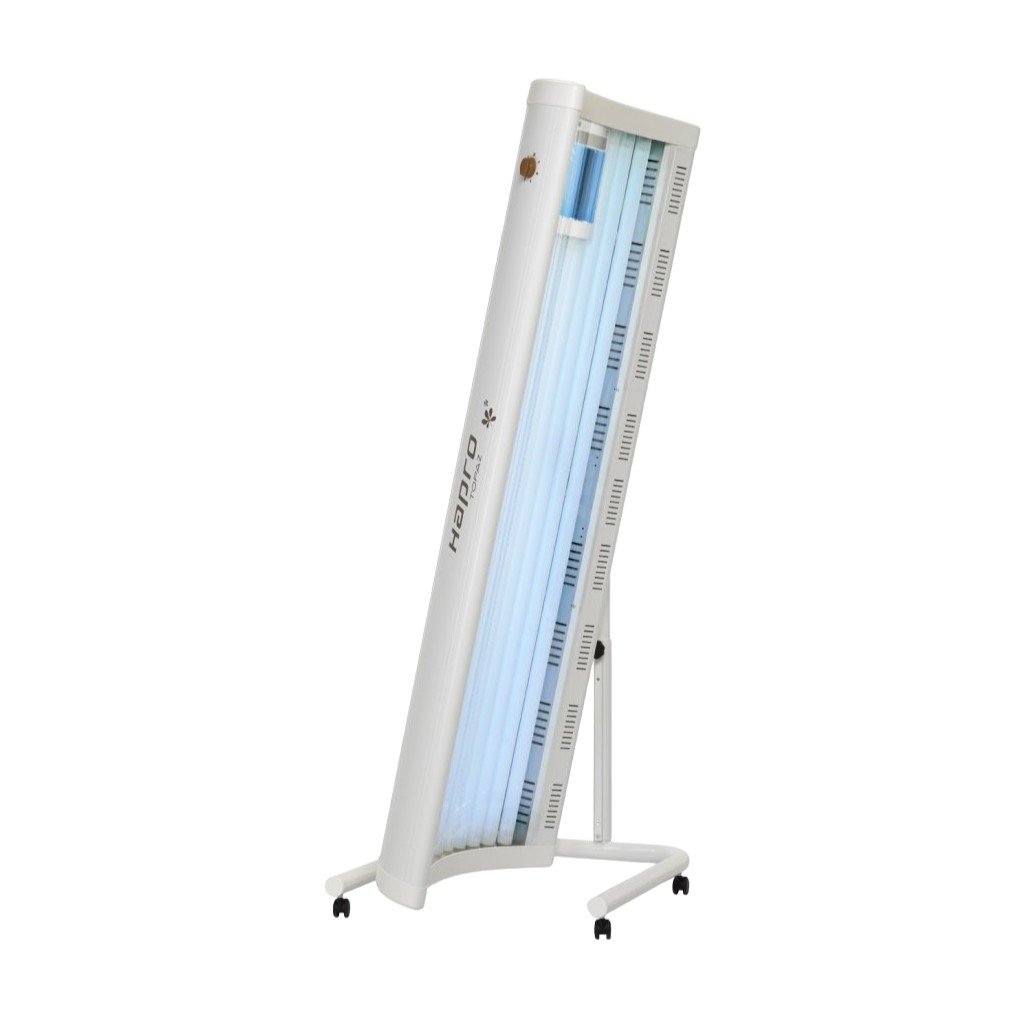
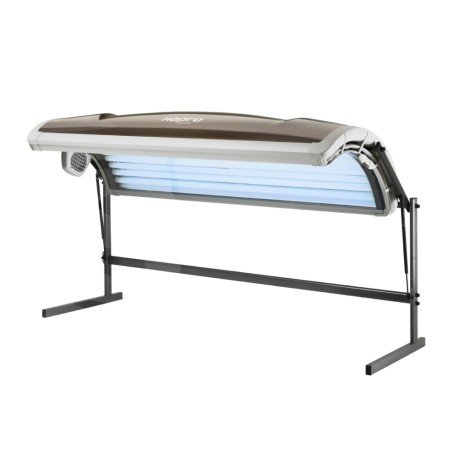
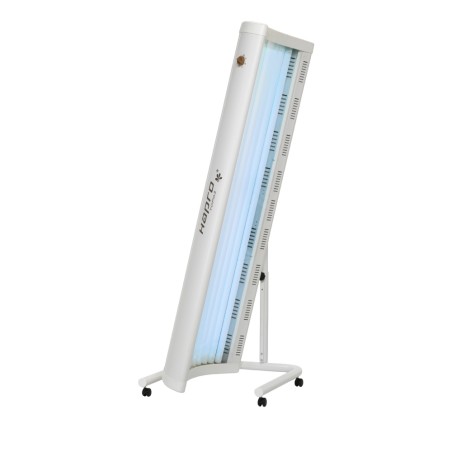
The Hapro Topaz 10/1 Full Body Solarium is ideal for achieving an even tan at home. Equipped with 10 Maxlight tubes and a 400W facial tanning unit, it guarantees optimal results. Its foldable design and vertical storage save space, while the wheels facilitate transport. It includes two silent fans for efficient cooling and an electromechanical timer for safe sessions. The acrylic panels protect your body from contact with the lamps, and the automatic shutoff after 30 minutes adds an extra layer of safety. Perfect for home use or in beauty centers with limited space.
Regular price: €3,022.58
Reduced price: €2,418.06 Save 20%
Tax included
In stock
  • Customer support via WhatsApp
  • 14-day returns and fast shipping.
  • Certified by Trust Ecommerce Europe and excellent ratings on various platforms.
  • Secure payments with SSL Redsys BBVA, PayPal, seQura, and Klarna.
  • Sunmarket Wellness, over 20 years of experience in the Wellness sector.
Flexible payment with Klarna.

Hapro Topaz 10/1 Full-Body Tanning Bed – home tanning bed for indoor tanning at home

The Hapro Topaz 10/1 is a full-body tanning bed designed to achieve a safe, even tan at home. Its tilting column structure is positioned over a bed or sofa and can be stored vertically without taking up space. Hapro is known for easy operation, balanced performance and durable finishes.

Main features

  • 10 UV tubes: 6 x 100 W + 4 x 80 W for a fast, even tan.
  • 300 W facial tanner with reflector to intensify colour on the face.
  • SRS reflector that directs the light and improves the efficiency of the UV lamps.
  • Adjustable height and tilting canopy to maintain the ideal distance.
  • 2 quiet fans to keep you cool during the session.
  • Stable base with 4 wheels for easy movement and storage.
  • Protective acrylic panels, timer with automatic shut-off after 30 min and double safety system.
  • Includes 2 pairs of UV protective goggles. Single-phase 230 V power supply.

Detailed product description

Performance

The combination of 100 W and 80 W UV tubes bathes the body in even light, reducing shadows and downtime. The 300 W facial tanner provides the extra intensity that is usually harder to achieve on the face and décolletage. With SRS, every watt is used more efficiently: more colour in less time and controlled sessions.

Comfort of use

The Topaz 10/1 can be positioned in seconds. Its height adjustment and tilting canopy ensure the correct distance between the skin and the lamps. The acrylic panels separate the tubes from the user and the fans maintain a pleasant temperature. Thanks to its wheels, you can move the tanning unit from one room to another and store it vertically with ease.

Maintenance and safety

Front access makes it easy to replace the tubes when required. The timer with double safety system and automatic shut-off after 30 minutes protect every session. The included goggles complete a unit that is ready to use from day one.

Technical specifications

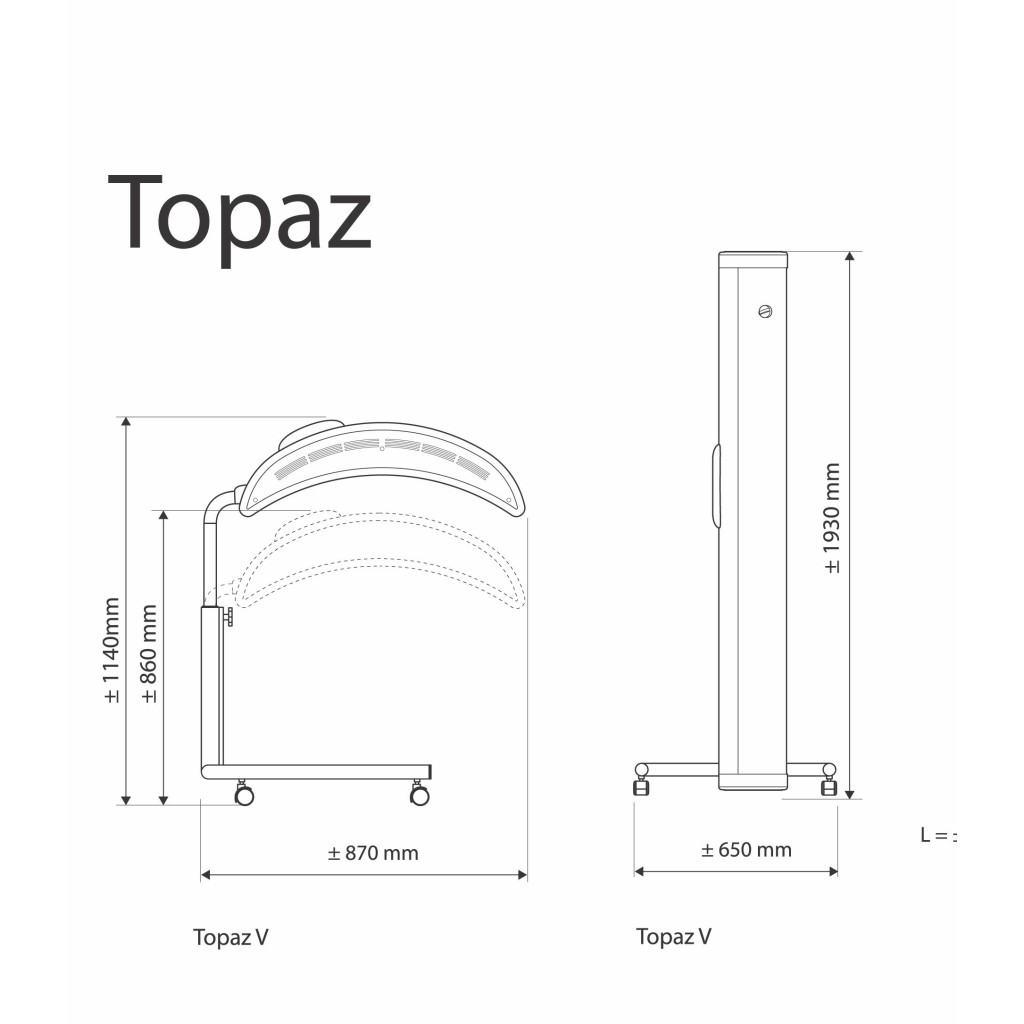
  • Power Approx. 1.42 kW
  • Height ±1930 mm
  • Base length ±870 mm
  • Base width ±650 mm
  • Weight 43.5 kg
  • Colour White

Why buy from Sunmarket?

  • Over 20 years of experience.
  • Official distributors of leading brands.
  • Fast and simple finance options.
  • Specialist after-sales service and technical advice.
The rays from UV tanning equipment can affect the skin and eyes. These effects depend on the nature and intensity of the rays, as well as each person’s skin sensitivity.
People with skin phototype 1 (red or very light blonde hair, freckles or lack of pigmentation, white skin that has never tanned and blue eyes) must not use artificial tanning equipment or expose themselves to the sun without protection.
The tanning bed must be cleaned with a special alcohol-free disinfectant for tanning beds after each use.
Sunscreen may be applied to specific areas (marks, scars) but not over the entire exposed surface.
The product is delivered kerbside. If you require an additional handling service to move it to another floor or inside your home, please let us know so that we can prepare a specific quotation.
This tanning bed is designed to be easily assembled by the user by following the included instructions. It does not require installation by technical personnel. If you have any questions or do not understand any of the specifications, please contact us before proceeding with assembly.

Frequently Asked Questions (FAQ)

Can I use tanning accelerators with my home tanning bed?

Yes, tanning accelerators are designed to enhance results in tanning beds. These products optimize UV ray absorption, but make sure to use products specifically developed for tanning beds and not sunscreen all over your skin, as this would block the UV rays.

Should I use sunscreen during tanning bed sessions?

It is not recommended to use sunscreen all over the skin during tanning bed sessions, as its function is to block UV rays, which would negate the tanning effect. However, you can apply sunscreen on specific areas that need more protection, such as scars, spots, or sensitive areas.

How often should I use my home tanning bed?

It is recommended to use the tanning bed 2 to 3 times a week, allowing for rest time between sessions to avoid overexposure to UV rays.

Is it necessary to wear protective glasses during tanning bed use?

Yes, it is always necessary to wear protective glasses during tanning bed sessions to avoid eye damage from UV radiation exposure.

Should I remove contact lenses before a tanning bed session?

Yes, it is important to remove contact lenses before entering the UV cabin to avoid irritation or potential damage to the eyes.

Is it safe to use a tanning bed?

One advantage of indoor UVA tanning beds is that they are not dependent on weather conditions or external factors, such as the ozone layer or fluctuations in solar radiation, allowing for a controlled and consistent tanning experience.

Should I use specific cosmetic products during tanning?

It is recommended to use specialized cosmetic products that help hydrate the skin during tanning sessions. These products are designed to counteract moisture loss and improve the appearance of the skin, helping the tan last longer.

How long should I wait between tanning sessions?

It is recommended to wait at least 48 hours between each tanning session. It is also important to avoid using the tanning bed and sun exposure on the same day to prevent overexposure to UV rays.

What should I do if I am allergic to the sun?

If a person is allergic to natural sunlight, they should not expose themselves to UVA rays, as the radiation is similar and can cause an adverse skin reaction.

Why do I have white spots on my skin after tanning?

White spots on areas like the shoulder blades or buttocks during tanning can occur due to pressure in these areas while lying down, reducing blood flow and distribution of the tan. Switching between horizontal and vertical tanning beds can help minimize this effect.

What cosmetic products or substances are prohibited before using the tanning bed?

Avoid using perfumes, colognes, creams with citrus, essential oils, and products with retinol or exfoliating acids at least 10 days before the session. Additionally, do not use products with lemon, orange, bergamot, or certain photosensitizing medications like antibiotics (tetracyclines), NSAIDs (ibuprofen), or diuretics. Consult your doctor if you have any questions about any medication you are taking.

Can I use sunscreen on specific areas during tanning sessions?

While it is not necessary to apply sunscreen all over the skin during tanning sessions, it is recommended to protect specific areas like fresh scars, spots, or sensitive areas with sunscreen to avoid damage from UV ray exposure.

What types of home tanning beds are there and which one is right for me?

There are several types of home tanning beds, including horizontal and vertical models. Horizontal tanning beds are suitable for those who prefer to tan lying down, while vertical beds are ideal for those who prefer to stand or for smaller spaces. The choice depends on the space available in your home and your personal tanning preferences.

Warning about the use of tanning beds

The rays from UV tanning devices can affect the skin and eyes. These effects depend on the nature and intensity of the rays, as well as the sensitivity of individuals' skin.

What is skin phototype and how can I determine mine?

Skin phototype is a classification that describes how your skin reacts to sun exposure. It is based on several factors such as skin color, hair color, eye color, and the tendency to burn or tan. Knowing your phototype can help you choose the safest and most effective tanning practices.

  • Phototype I: Very light skin, usually with freckles, red or very light blonde hair, light eyes. Burns easily and rarely tans.
  • Phototype II: Light skin, blonde hair, light eyes. Usually burns but can tan slightly.
  • Phototype III: Medium skin, brown hair, darker eyes. Sometimes burns and tans gradually.
  • Phototype IV: Olive skin, dark hair, dark eyes. Rarely burns and tans well.
  • Phototype V: Dark skin, dark hair and eyes. Rarely burns and tans easily.
  • Phototype VI: Very dark or black skin, dark hair and eyes. Never burns and tans very easily.

To determine your phototype, consider your most common reaction to prolonged sun exposure without protection. Consult a dermatologist if you are unsure or have a history of skin problems related to the sun.


LACHAT2 years ago

very good product, beautiful, easy to use and effective!

Original (FR):
très bon produit, beau, simple d'utilisation et efficace !
Eliane R.2 years ago

I hope to get a lot of use out of it ...

Original (ES):
Espero sacar rendimiento mucho de el ...
Pedro L.6 years ago

Perfect

It works perfectly and is very easy and quick to assemble

Original (ES):
Perfecto
Funciona a la perfección y muy fácil y rápido de montar
Isabel Á.7 years ago

Tube compatibility

Hi, I bought this tanning bed and I’d like to fit some more tanning tubes. Which ones from the ones you have on the page can be installed? Thanks.

Original (ES):
Compatibilidad de tubos
Hola he comprado este solárium y quisiera ponerle unos tubos de más bronceado cuales son los que se pueden poner de los que tenéis en la página? Gracias
SERGIO P.11 years ago

Very good. Good quality

Very good. Good quality

Original (ES):
Muy bien. Buenas calidad

Technical data sheet

Business relationship Official seller
Quality Certificates CE, DEKRA KEMA-KEUR
Color White
Consumption in Kw 1,42 Kw Official seller
Dimensions 187 x 87 cm Official seller
Delivery time: 3-5 days
Shipping Free Shipping
Product subtype Domestic solarium
Manufacturer Hapro
Warranty 3 years
Facial Lamps 1 x 400W
Nationality manufacturer European Union - Netherlands
Brand Hapro
Brand Solarium Hapro
Music Not available
Control system Not compatible
Product type home tanning bed, UV tanning machine, tanning bed, portable solarium, facial solarium, buy solarium
Total Body Lamps 8x100W + 4x80W Official seller
Lamps top 10 Official seller
Refrigeration Not available
Voltage 220V
Shipping label Bulky

Frequently Asked Questions (FAQ)

Can I use tanning accelerators with my home tanning bed?

Yes, tanning accelerators are designed to enhance results in tanning beds. These products optimize UV ray absorption, but make sure to use products specifically developed for tanning beds and not sunscreen all over your skin, as this would block the UV rays.

Should I use sunscreen during tanning bed sessions?

It is not recommended to use sunscreen all over the skin during tanning bed sessions, as its function is to block UV rays, which would negate the tanning effect. However, you can apply sunscreen on specific areas that need more protection, such as scars, spots, or sensitive areas.

How often should I use my home tanning bed?

It is recommended to use the tanning bed 2 to 3 times a week, allowing for rest time between sessions to avoid overexposure to UV rays.

Is it necessary to wear protective glasses during tanning bed use?

Yes, it is always necessary to wear protective glasses during tanning bed sessions to avoid eye damage from UV radiation exposure.

Should I remove contact lenses before a tanning bed session?

Yes, it is important to remove contact lenses before entering the UV cabin to avoid irritation or potential damage to the eyes.

Is it safe to use a tanning bed?

One advantage of indoor UVA tanning beds is that they are not dependent on weather conditions or external factors, such as the ozone layer or fluctuations in solar radiation, allowing for a controlled and consistent tanning experience.

Should I use specific cosmetic products during tanning?

It is recommended to use specialized cosmetic products that help hydrate the skin during tanning sessions. These products are designed to counteract moisture loss and improve the appearance of the skin, helping the tan last longer.

How long should I wait between tanning sessions?

It is recommended to wait at least 48 hours between each tanning session. It is also important to avoid using the tanning bed and sun exposure on the same day to prevent overexposure to UV rays.

What should I do if I am allergic to the sun?

If a person is allergic to natural sunlight, they should not expose themselves to UVA rays, as the radiation is similar and can cause an adverse skin reaction.

Why do I have white spots on my skin after tanning?

White spots on areas like the shoulder blades or buttocks during tanning can occur due to pressure in these areas while lying down, reducing blood flow and distribution of the tan. Switching between horizontal and vertical tanning beds can help minimize this effect.

What cosmetic products or substances are prohibited before using the tanning bed?

Avoid using perfumes, colognes, creams with citrus, essential oils, and products with retinol or exfoliating acids at least 10 days before the session. Additionally, do not use products with lemon, orange, bergamot, or certain photosensitizing medications like antibiotics (tetracyclines), NSAIDs (ibuprofen), or diuretics. Consult your doctor if you have any questions about any medication you are taking.

Can I use sunscreen on specific areas during tanning sessions?

While it is not necessary to apply sunscreen all over the skin during tanning sessions, it is recommended to protect specific areas like fresh scars, spots, or sensitive areas with sunscreen to avoid damage from UV ray exposure.

What types of home tanning beds are there and which one is right for me?

There are several types of home tanning beds, including horizontal and vertical models. Horizontal tanning beds are suitable for those who prefer to tan lying down, while vertical beds are ideal for those who prefer to stand or for smaller spaces. The choice depends on the space available in your home and your personal tanning preferences.

Warning about the use of tanning beds

The rays from UV tanning devices can affect the skin and eyes. These effects depend on the nature and intensity of the rays, as well as the sensitivity of individuals' skin.

What is skin phototype and how can I determine mine?

Skin phototype is a classification that describes how your skin reacts to sun exposure. It is based on several factors such as skin color, hair color, eye color, and the tendency to burn or tan. Knowing your phototype can help you choose the safest and most effective tanning practices.

  • Phototype I: Very light skin, usually with freckles, red or very light blonde hair, light eyes. Burns easily and rarely tans.
  • Phototype II: Light skin, blonde hair, light eyes. Usually burns but can tan slightly.
  • Phototype III: Medium skin, brown hair, darker eyes. Sometimes burns and tans gradually.
  • Phototype IV: Olive skin, dark hair, dark eyes. Rarely burns and tans well.
  • Phototype V: Dark skin, dark hair and eyes. Rarely burns and tans easily.
  • Phototype VI: Very dark or black skin, dark hair and eyes. Never burns and tans very easily.

To determine your phototype, consider your most common reaction to prolonged sun exposure without protection. Consult a dermatologist if you are unsure or have a history of skin problems related to the sun.