Frequently Asked Questions (FAQ)
Can I use tanning accelerators with my home tanning bed?
Yes, tanning accelerators are designed to enhance results in tanning beds. These products optimize UV ray absorption, but make sure to use products specifically developed for tanning beds and not sunscreen all over your skin, as this would block the UV rays.
Should I use sunscreen during tanning bed sessions?
It is not recommended to use sunscreen all over the skin during tanning bed sessions, as its function is to block UV rays, which would negate the tanning effect. However, you can apply sunscreen on specific areas that need more protection, such as scars, spots, or sensitive areas.
How often should I use my home tanning bed?
It is recommended to use the tanning bed 2 to 3 times a week, allowing for rest time between sessions to avoid overexposure to UV rays.
Is it necessary to wear protective glasses during tanning bed use?
Yes, it is always necessary to wear protective glasses during tanning bed sessions to avoid eye damage from UV radiation exposure.
Should I remove contact lenses before a tanning bed session?
Yes, it is important to remove contact lenses before entering the UV cabin to avoid irritation or potential damage to the eyes.
Is it safe to use a tanning bed?
One advantage of indoor UVA tanning beds is that they are not dependent on weather conditions or external factors, such as the ozone layer or fluctuations in solar radiation, allowing for a controlled and consistent tanning experience.
Should I use specific cosmetic products during tanning?
It is recommended to use specialized cosmetic products that help hydrate the skin during tanning sessions. These products are designed to counteract moisture loss and improve the appearance of the skin, helping the tan last longer.
How long should I wait between tanning sessions?
It is recommended to wait at least 48 hours between each tanning session. It is also important to avoid using the tanning bed and sun exposure on the same day to prevent overexposure to UV rays.
What should I do if I am allergic to the sun?
If a person is allergic to natural sunlight, they should not expose themselves to UVA rays, as the radiation is similar and can cause an adverse skin reaction.
Why do I have white spots on my skin after tanning?
White spots on areas like the shoulder blades or buttocks during tanning can occur due to pressure in these areas while lying down, reducing blood flow and distribution of the tan. Switching between horizontal and vertical tanning beds can help minimize this effect.
What cosmetic products or substances are prohibited before using the tanning bed?
Avoid using perfumes, colognes, creams with citrus, essential oils, and products with retinol or exfoliating acids at least 10 days before the session. Additionally, do not use products with lemon, orange, bergamot, or certain photosensitizing medications like antibiotics (tetracyclines), NSAIDs (ibuprofen), or diuretics. Consult your doctor if you have any questions about any medication you are taking.
Can I use sunscreen on specific areas during tanning sessions?
While it is not necessary to apply sunscreen all over the skin during tanning sessions, it is recommended to protect specific areas like fresh scars, spots, or sensitive areas with sunscreen to avoid damage from UV ray exposure.
What types of home tanning beds are there and which one is right for me?
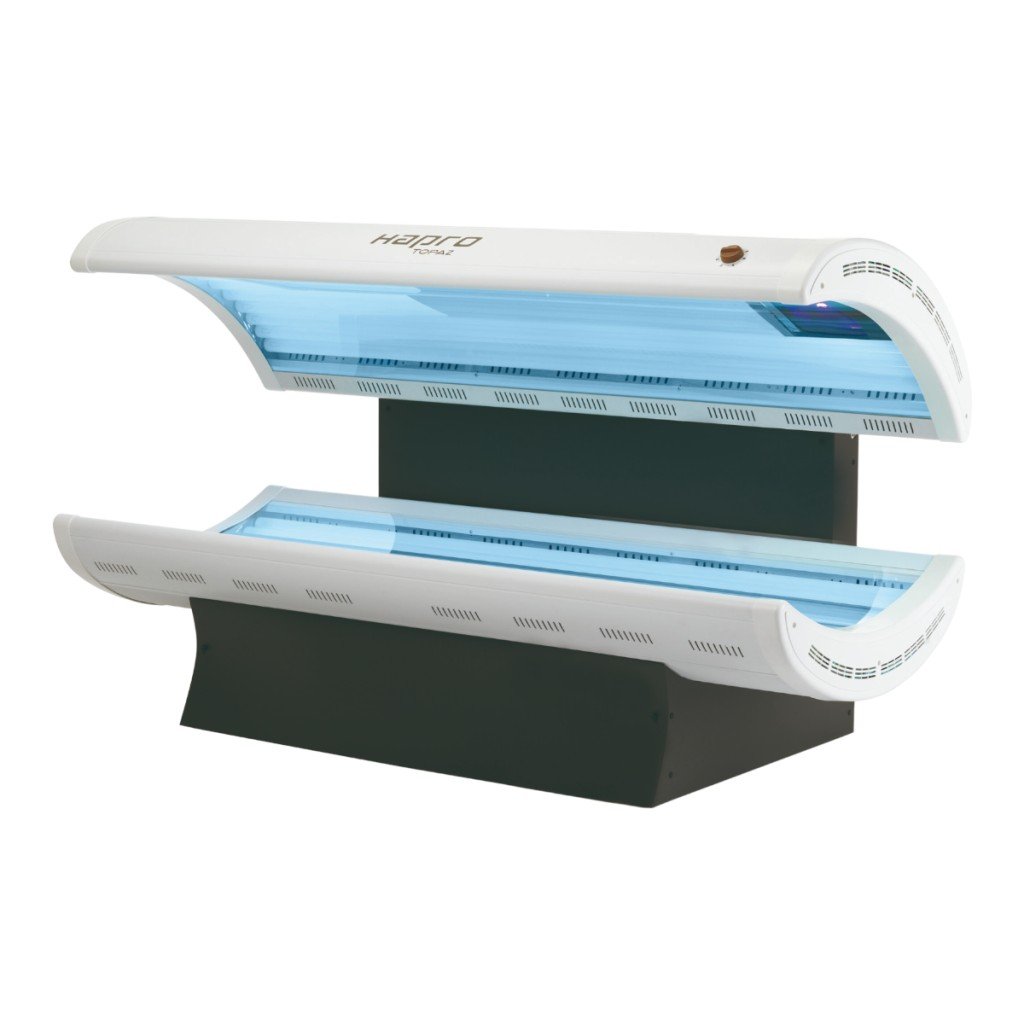
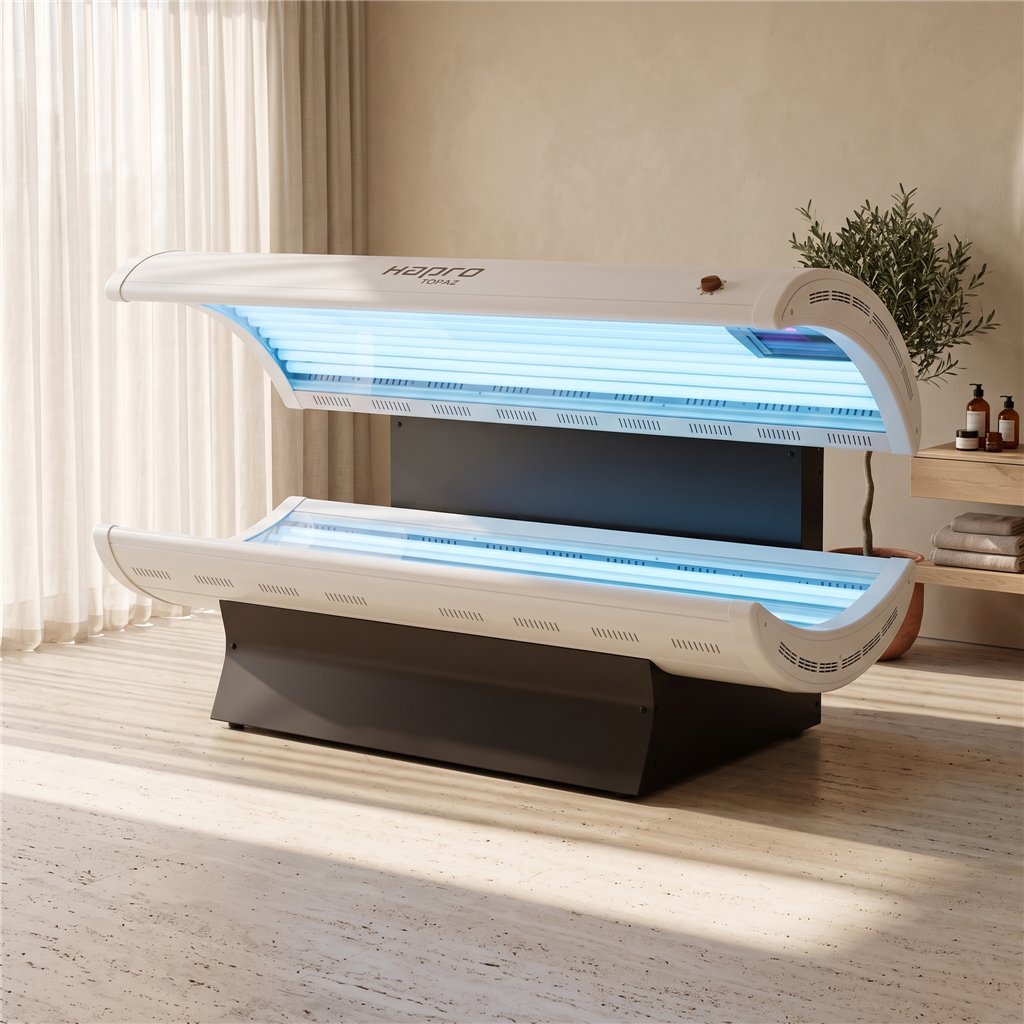
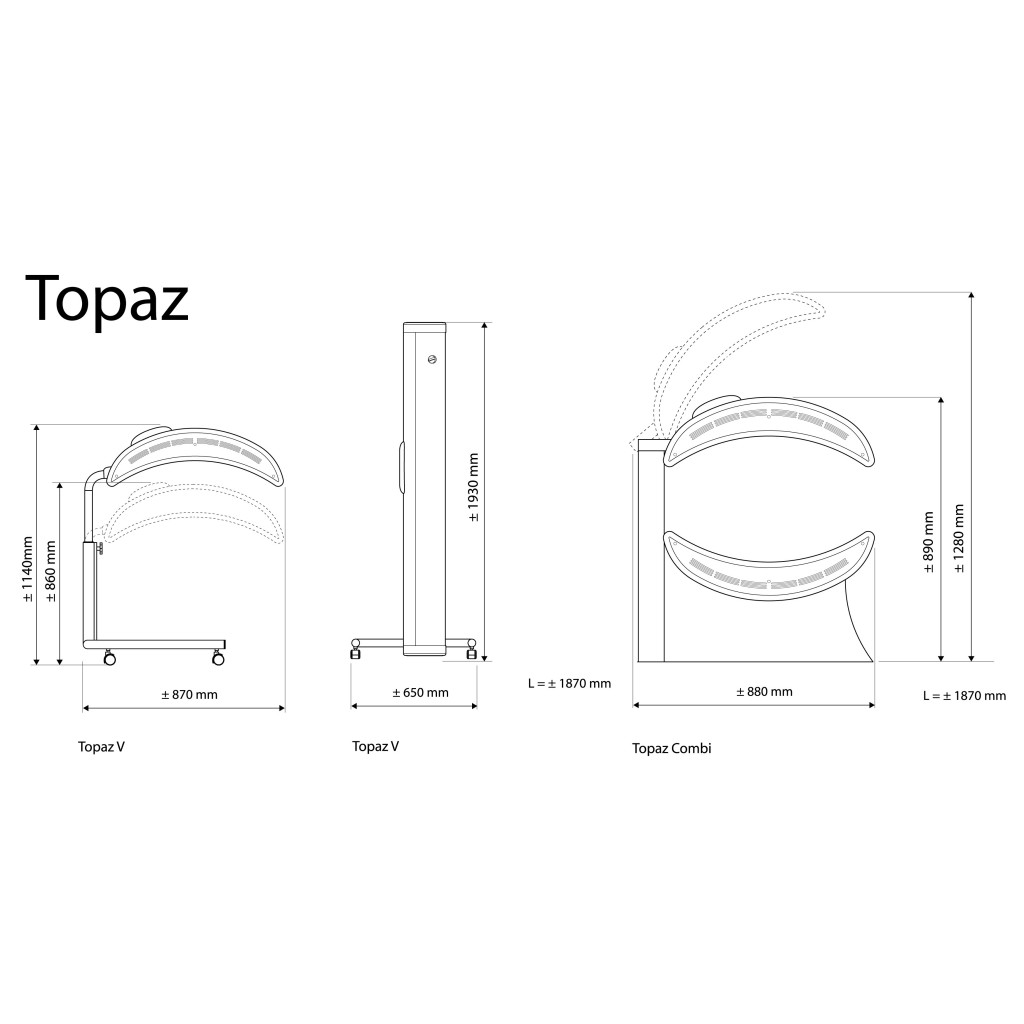
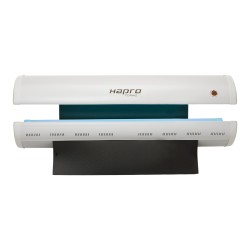
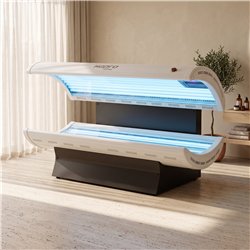
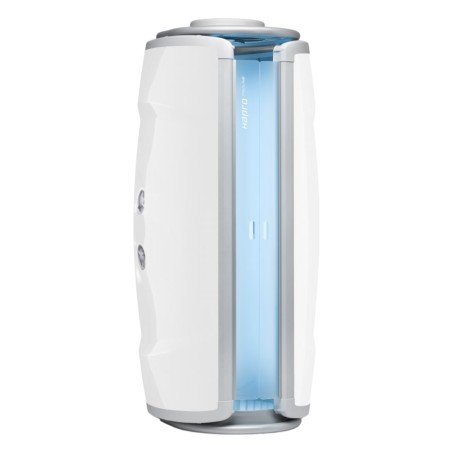
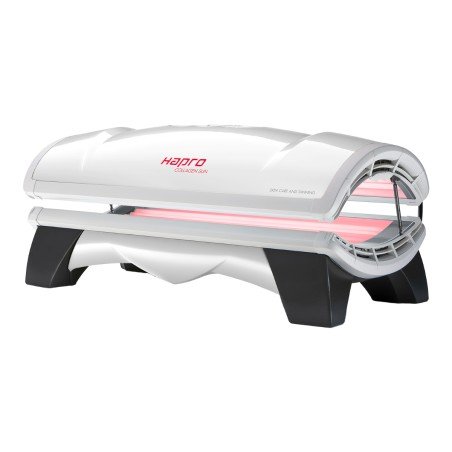
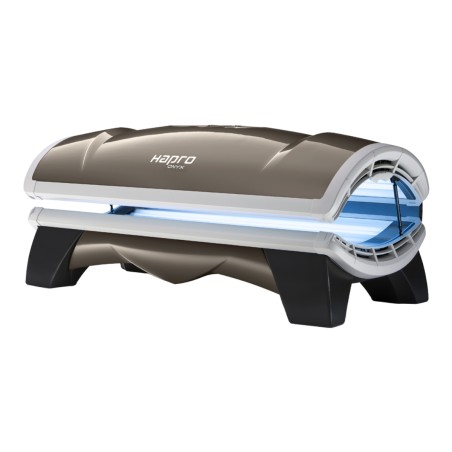
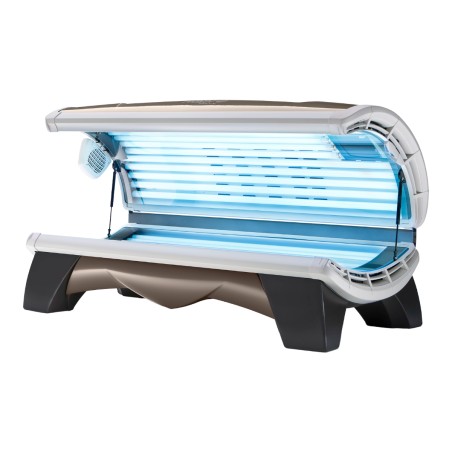
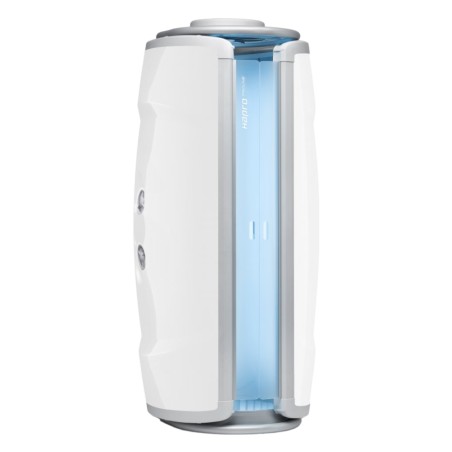
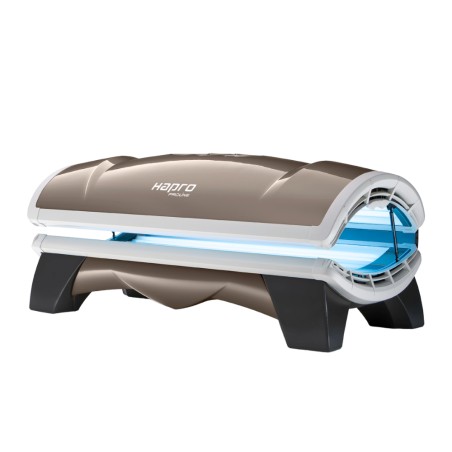
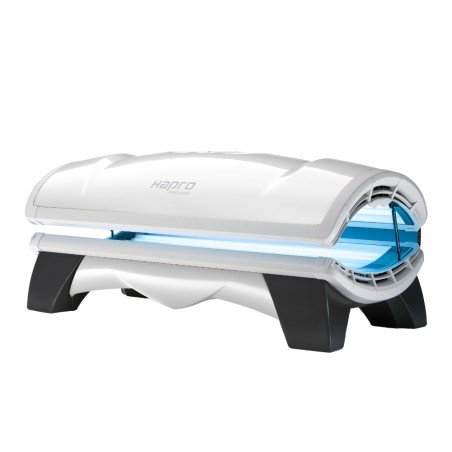
There are several types of home tanning beds, including horizontal and vertical models. Horizontal tanning beds are suitable for those who prefer to tan lying down, while vertical beds are ideal for those who prefer to stand or for smaller spaces. The choice depends on the space available in your home and your personal tanning preferences.
Warning about the use of tanning beds
The rays from UV tanning devices can affect the skin and eyes. These effects depend on the nature and intensity of the rays, as well as the sensitivity of individuals' skin.
What is skin phototype and how can I determine mine?
Skin phototype is a classification that describes how your skin reacts to sun exposure. It is based on several factors such as skin color, hair color, eye color, and the tendency to burn or tan. Knowing your phototype can help you choose the safest and most effective tanning practices.
- Phototype I: Very light skin, usually with freckles, red or very light blonde hair, light eyes. Burns easily and rarely tans.
- Phototype II: Light skin, blonde hair, light eyes. Usually burns but can tan slightly.
- Phototype III: Medium skin, brown hair, darker eyes. Sometimes burns and tans gradually.
- Phototype IV: Olive skin, dark hair, dark eyes. Rarely burns and tans well.
- Phototype V: Dark skin, dark hair and eyes. Rarely burns and tans easily.
- Phototype VI: Very dark or black skin, dark hair and eyes. Never burns and tans very easily.
To determine your phototype, consider your most common reaction to prolonged sun exposure without protection. Consult a dermatologist if you are unsure or have a history of skin problems related to the sun.